The Withdrawal Journey: From Winnings to Wallet (An Explainer)
Once you've celebrated your win, the next exciting step is getting your funds from the casino to your personal account. This “withdrawal journey” isn't instantaneous, but understanding the process can make it much smoother. Factors influencing the speed and ease of withdrawal often include the casino's processing times, the specific payment method you choose, and any verification steps required. Reputable online casinos prioritize security, which means they might have a brief internal review period to prevent fraud and ensure compliance with anti-money laundering (AML) regulations. Being prepared for these steps can significantly reduce potential delays and ensure your winnings reach your wallet efficiently.
The actual methods available for withdrawal typically mirror the deposit options, though some exceptions might apply. Common withdrawal choices include:
- E-wallets: Services like PayPal, Skrill, and Neteller often offer the fastest withdrawal times, sometimes within hours, once the casino has processed the request.
- Bank Transfers: While reliable, these can take several business days due to interbank processing.
- Debit/Credit Cards: Visa and Mastercard withdrawals can also take a few business days, similar to bank transfers.
- Cryptocurrency: For those who deposited with crypto, withdrawals can be incredibly fast once approved by the casino.
It's crucial to check the casino's terms and conditions for specific withdrawal limits (minimum and maximum per transaction or per day) and any associated fees that might be levied by either the casino or the payment provider.
"Verifying your identity is a cornerstone of responsible gaming and a key step in a smooth withdrawal process."
Before your first withdrawal, most online casinos will require you to complete a Know Your Customer (KYC) verification process. This involves submitting documents like a government-issued ID (passport or driver's license), proof of address (utility bill), and sometimes proof of the payment method used. This is a standard security measure designed to protect both the player and the casino from fraud. While it might seem like an extra hurdle, getting this done proactively, perhaps even before you make your first deposit, can prevent significant delays when you're ready to cash out your winnings. Ensure the documents are clear, current, and match the information registered on your casino account.
See also: Cryptocurrency wallet - Wikipedia — Explains the fundamental component for receiving crypto withdrawals
Pro Tips for Faster Payouts: Optimizing Your Crypto Casino Withdrawals
To truly speed up your crypto casino withdrawals, the first step is proactive account optimization. Before you even place a bet, ensure your account is fully verified. This typically involves submitting KYC (Know Your Customer) documents like ID and proof of address. While it might seem like a chore up front, completing this process minimizes delays when you request a payout. Furthermore, always double-check your wallet address before initiating a withdrawal. A single incorrect character can send your funds to an unrecoverable address, negating any speed benefits. Some casinos also offer dedicated withdrawal pages or priority processing for certain cryptocurrencies; familiarizing yourself with these options can provide a significant edge. Understanding the specific withdrawal policies and any associated limits or fees for your chosen casino is paramount for a smooth and swift experience.
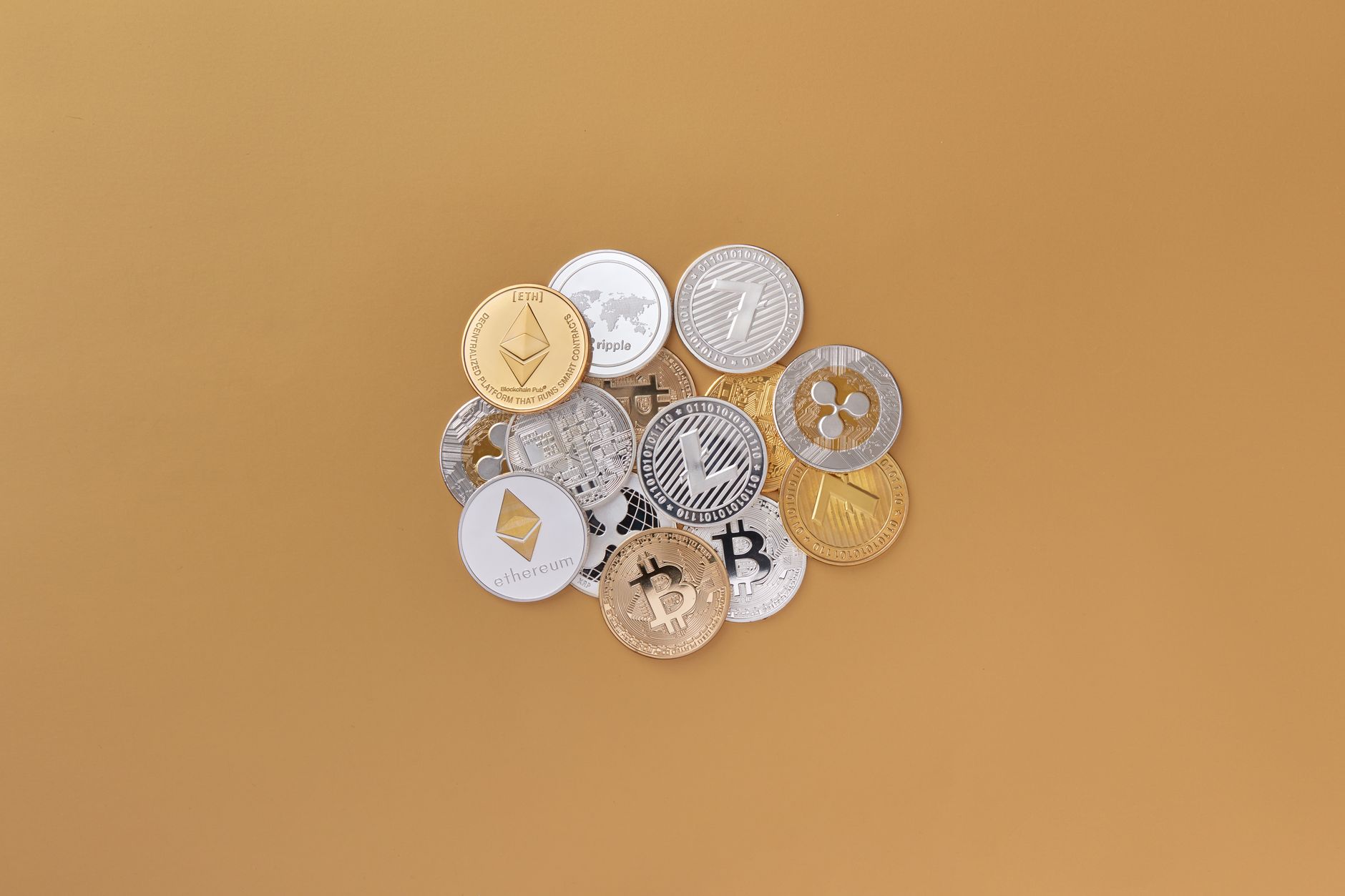
Choosing the right cryptocurrency can significantly impact your withdrawal speed. While Bitcoin is widely accepted, its network can sometimes experience congestion, leading to longer confirmation times. For faster payouts, consider using cryptocurrencies with inherently quicker transaction speeds and lower fees, such as Litecoin (LTC), Ethereum (ETH) (especially on layer-2 solutions), or various stablecoins like USDT or USDC on efficient networks. Researching the average transaction confirmation times for different coins on their respective blockchains is a smart move. Additionally, some casinos might have specific internal processing times that vary depending on the crypto. For instance, a casino might process LTC withdrawals almost instantly, while BTC might take an hour. Opting for a widely supported and liquid cryptocurrency also ensures the casino has sufficient reserves to process your request without undue delay.
See also: What to Know About Cryptocurrency - Federal Trade Commission — Provides general consumer protection advice relevant to crypto transactions
Beyond internal casino processes and chosen cryptocurrency, external factors and best practices play a crucial role in optimizing withdrawal speeds. Firstly, try to avoid making withdrawal requests during peak network congestion times for your chosen coin, if possible. Secondly, ensure your receiving wallet is up-to-date and fully synchronized; an outdated wallet can sometimes delay the recognition of incoming funds. Thirdly, if you're using a hot wallet, make sure you have sufficient transaction fees enabled to expedite the confirmation process on the blockchain. Finally, don't hesitate to utilize the casino's customer support if you experience unusual delays. A polite inquiry can often clarify the situation or even help expedite a stuck transaction.
“Preparation and informed decision-making are the cornerstones of efficient crypto transactions.”By combining these strategies, you can significantly reduce the waiting time for your crypto casino winnings.
Beyond the Blockchain: Common Withdrawal Questions Answered
While blockchain technology forms the bedrock of cryptocurrency, the actual process of withdrawing your digital assets often involves steps that extend beyond its decentralized ledger. Many users, especially those new to the space, encounter questions related to fees, processing times, and security protocols that are governed more by the specific exchange or wallet provider than by the underlying blockchain itself. Understanding these nuances is crucial for a smooth withdrawal experience. For instance, withdrawal fees, which can vary significantly, are typically imposed by the platform to cover their operational costs and network transaction fees, not directly by the blockchain itself. Similarly, withdrawal limits are often set by exchanges for regulatory compliance and risk management, rather than being an inherent blockchain limitation. Navigating these platform-specific policies is key to avoiding unexpected delays or charges.
A common area of confusion revolves around the concept of withdrawal addresses and network selection. When initiating a withdrawal, you'll invariably be asked for a recipient address and, depending on the cryptocurrency, a specific network (e.g., ERC-20 for Ethereum, BEP-20 for Binance Smart Chain). Selecting the incorrect network is one of the most frequent reasons for lost funds, as assets sent to an incompatible network may become irretrievable. Always double-check the network compatibility between your sending platform and the receiving wallet. Furthermore, be aware of the importance of address whitelisting, a security feature offered by many exchanges that allows you to pre-approve withdrawal addresses, thereby adding an extra layer of protection against unauthorized transfers. Taking the time to understand these seemingly small details can save you significant headaches.
Finally, questions regarding withdrawal processing times and potential holds are also prevalent. While blockchain transactions can confirm relatively quickly, the entire withdrawal process often involves additional steps on the exchange's end. These can include security checks, manual reviews for large transactions, and internal batching processes. Consequently, a withdrawal might show as 'pending' for a period even after the blockchain transaction has been broadcast.
"Patience is a virtue in crypto withdrawals, as internal processes often add to the elapsed time beyond blockchain confirmations,"as many experienced users, perhaps even those familiar with a site like CryptoCasino, would attest. Understanding that these delays are often a necessary part of the security and operational framework of your chosen platform, rather than a sign of a problem, can help manage expectations. Always refer to your exchange's specific FAQ or support documentation for their estimated withdrawal times and policies.
See also: Cryptocurrency Exchange - Investopedia — Defines the platforms often used to convert withdrawn crypto to fiat currency
Avoiding the Pitfalls: What to Watch Out For When Cashing Out Crypto
The allure of quick profits in the crypto market can often overshadow the practicalities of converting digital assets back into traditional currency. However, failing to plan your exit strategy can lead to significant headaches and financial losses. One of the primary pitfalls is ignoring tax implications. Depending on your jurisdiction, cryptocurrency gains are often subject to capital gains tax, and neglecting to report these can result in hefty fines or even legal action. Furthermore, be wary of sudden market downturns; attempting to cash out during a rapid price drop can lock in losses, especially if you're forced to sell at an unfavorable exchange rate. Always consider the current market sentiment and your personal financial goals before initiating any large-scale crypto liquidation.
Another crucial area to scrutinize when cashing out is the choice of exchange or platform. Not all exchanges are created equal, and some may have hidden fees, slow processing times, or even unreliable security protocols.
"Always do your due diligence before entrusting your funds to any platform."Look for exchanges with a strong reputation, transparent fee structures, and robust customer support. Be particularly cautious of platforms offering unusually high conversion rates or instant payouts, as these could be red flags for scams. Moreover, be aware of daily or monthly withdrawal limits imposed by many exchanges. Attempting to withdraw large sums exceeding these limits can lead to delays and additional verification processes, potentially impacting your ability to access your funds when needed.
Finally, the security of your funds during the off-ramping process is paramount. Phishing scams and malicious software are pervasive threats in the crypto space. Always double-check the URL of any exchange you're using and never click on suspicious links or download attachments from unknown sources. When transferring funds to your bank account, ensure all details are accurate to avoid misdirected payments. Consider using two-factor authentication (2FA) on all your exchange accounts for an added layer of security. Remember, once your crypto is converted and transferred, it's often irreversible. Taking these precautions can significantly reduce the risk of falling victim to scams or losing your hard-earned profits during the final stages of your crypto investment journey.
Frequently Asked Questions
What's the first step to withdrawing my winnings from a crypto casino?
The initial step is to navigate to the 'Cashier' or 'Withdrawal' section of your chosen crypto casino. You'll typically find this prominently displayed on your account dashboard. Ensure your account is fully verified, as many casinos require KYC (Know Your Customer) documentation before allowing withdrawals. This might involve submitting ID, proof of address, or other relevant documents.
What information do I need to provide for a crypto withdrawal?
You'll primarily need to specify the cryptocurrency you wish to withdraw (e.g., Bitcoin, Ethereum) and the exact amount. Crucially, you'll also need to provide your personal cryptocurrency wallet address for that specific coin. Double-check this address carefully, as incorrect entries can lead to irreversible loss of funds. Some casinos might also ask for a withdrawal password or 2FA code.
How long does a typical crypto casino withdrawal take?
Crypto withdrawal times vary significantly depending on the casino, the specific cryptocurrency, and network congestion. While some withdrawals can be near-instant (minutes), others may take a few hours, or in rare cases, up to 24-48 hours. Factors such as blockchain confirmation times and the casino's internal processing procedures play a role. Always check the casino's stated withdrawal policy.
Are there any fees associated with crypto casino withdrawals?
Most crypto casinos do not charge direct withdrawal fees. However, you will almost always encounter standard blockchain network transaction fees (gas fees for Ethereum, miner fees for Bitcoin, etc.). These fees are not imposed by the casino but are necessary for your transaction to be processed and confirmed on the blockchain. Some casinos might cover these fees, but it's less common.