The Power of Personalization: How Tailored Experiences Transform Gaming
The power of personalization in gaming has emerged as a transformative force, reshaping how players interact with games. By tailoring experiences to individual preferences, game developers can create more engaging and immersive environments. This level of customization not only increases player satisfaction but also boosts retention rates. According to recent studies, 86% of gamers feel more connected to games that offer personalized content, whether through character customization, adaptive storylines, or curated gameplay experiences.
Furthermore, the impact of tailored experiences extends beyond mere enjoyment. In multiplayer environments, personalized game mechanics can enhance collaboration and competition among players. Features such as dynamic matchmaking and personalized challenge levels ensure that players are constantly motivated and engaged. As the gaming industry continues to evolve, the importance of personalization in creating unique gaming journeys will only grow, solidifying its role as a cornerstone of modern game design.
Counter-Strike is a popular tactical first-person shooter game that pits teams against each other in objective-based gameplay. As players engage in intense matches, they can enhance their experience by taking advantage of various promotions, including the stake promo code that can offer great bonuses. The game's competitive nature has led to a thriving esports scene, attracting millions of players and spectators worldwide.
Unlocking Engagement: Why Player Experience Personalization Matters in Modern Gaming
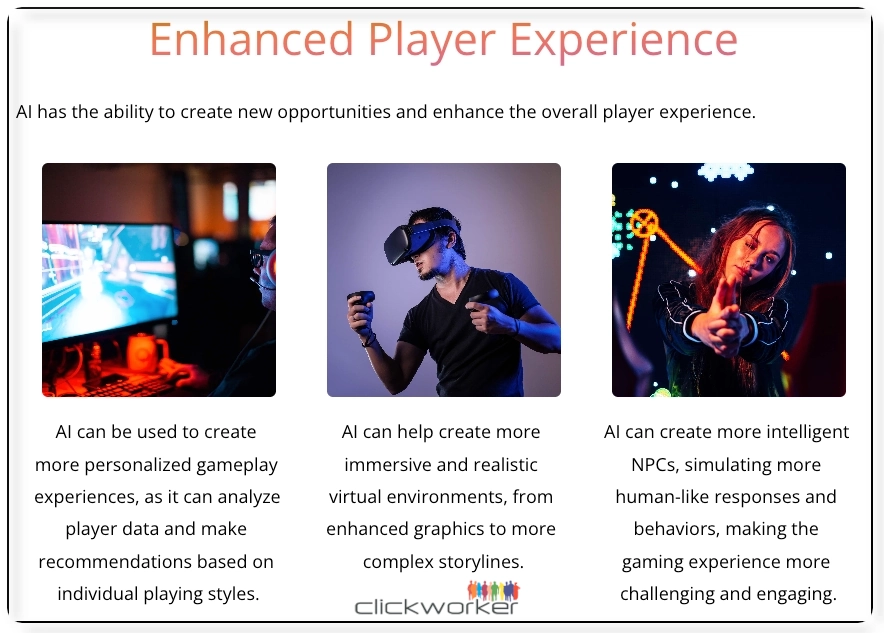
In the rapidly evolving world of gaming, player experience personalization has become paramount. Gone are the days when one-size-fits-all solutions sufficed; today’s gamers expect tailored experiences that cater to their unique preferences and play styles. By leveraging data analytics and artificial intelligence, game developers can create adaptive environments that respond to individual player choices, enhancing immersion and satisfaction. This level of personalization not only increases player retention rates but also fosters a deeper emotional connection between the player and the game, ultimately leading to a more engaged gaming community.
Furthermore, implementing player experience personalization strategies can significantly improve monetization efforts. When players feel that their experiences are uniquely designed for them, they are more likely to invest in in-game purchases and premium content. For instance, personalized recommendations based on gaming behaviors can lead to increased sales of relevant in-game items. Consequently, personalization doesn't just improve player satisfaction; it also creates lucrative opportunities for developers. Therefore, prioritizing the individual player experience is no longer optional—it is a necessity for success in the modern gaming landscape.
Is Your Game Missing the Secret Ingredient? Exploring the Importance of Player Experience Personalization
In the ever-evolving realm of gaming, delivering an exceptional player experience is paramount. With countless titles vying for attention, it's crucial for developers to consider the impact of player experience personalization. This approach goes beyond simply adjusting graphics or gameplay mechanics; it taps into the psychology of the player. By analyzing player behavior and preferences, games can be tailored to meet individual needs, ensuring that each player feels acknowledged and valued. For example, implementing adaptive difficulty levels or providing customized in-game rewards can significantly enhance a player's connection to the game.
However, the challenge lies in achieving the right balance. Over-personalization can lead to a lack of challenge, diminishing the thrill of accomplishment. Therefore, it's essential to strike a balance between personalization and traditional game design principles. By integrating player experience personalization in a thoughtful manner, developers can create a dynamic environment that keeps players engaged and invested. Ultimately, the secret ingredient to a successful game may very well be its ability to resonate with players on a personal level, creating memorable experiences that encourage loyalty and community growth.