Understanding Loyalty Scoring Algorithms: The Key to Unlocking Brand Love
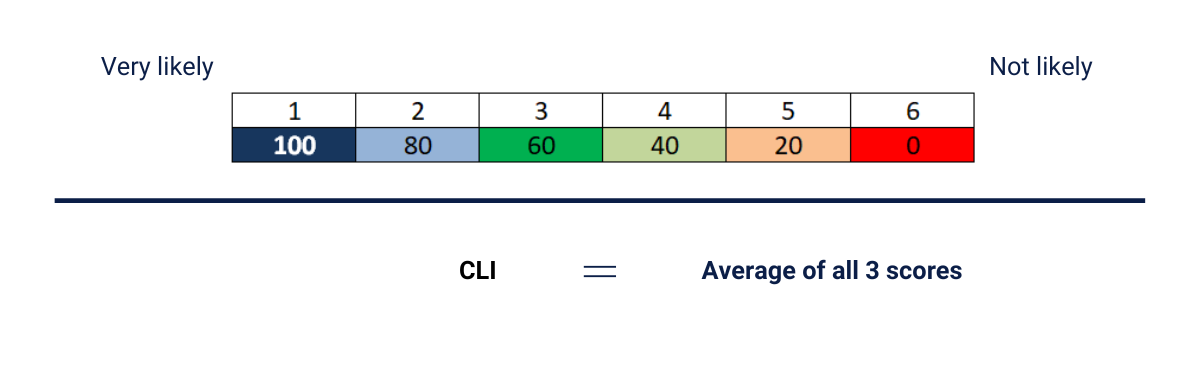
Loyalty scoring algorithms are sophisticated systems designed to measure and analyze customer loyalty based on various metrics. These algorithms take into account factors such as purchase frequency, average order value, and customer engagement to generate a comprehensive score. By understanding how these scoring mechanisms work, businesses can better identify their most loyal customers and tailor marketing strategies accordingly. The ultimate goal is to foster brand love, ensuring that satisfied customers become advocates for the brand.
Incorporating loyalty scoring into your business strategy involves leveraging data analytics to create personalized experiences for customers. By utilizing insights gathered from scoring algorithms, brands can implement targeted promotions and rewards that resonate with their audience. This not only enhances customer experience but also increases customer retention rates. As businesses unlock the potential of loyalty scoring, they pave the way for sustained growth and a deeper emotional connection with their brand.
Counter-Strike is a highly popular first-person shooter game that emphasizes team play and strategy. Players can engage in various game modes, including bomb defusal and hostage rescue. For those looking to enhance their gameplay experience, using a duel promo code can provide exciting bonuses and in-game advantages.
How Do Loyalty Scores Influence Customer Affection for Brands?
Loyalty scores play a crucial role in shaping customer affection for brands. These scores often reflect the emotional connection a customer has with a brand, as well as their likelihood to repeat purchases and recommend the brand to others. When customers develop a strong affinity towards a brand, their loyalty scores typically rise, indicating a positive sentiment that can drive long-term business success. Brands that prioritize customer engagement and satisfaction often see higher loyalty scores, which can lead to increased word-of-mouth referrals and customer retention rates.
Moreover, understanding the components that contribute to loyalty scores can help brands fine-tune their marketing strategies. Key factors such as product quality, customer service, and emotional branding can significantly impact how customers feel towards a company. For instance, when brands consistently deliver on their promises and engage with customers authentically, they foster a deeper sense of trust and mutual appreciation. This, in turn, cultivates a more loyal customer base that feels emotionally connected to the brand, thereby enhancing overall customer affection.
The Hidden Factors That Drive Loyalty: Algorithms and Emotional Connections
In today's digital landscape, understanding the hidden factors that drive loyalty is crucial for businesses aiming to foster lasting relationships with their customers. One of the most significant elements is the use of sophisticated algorithms that analyze consumer behavior, preferences, and trends. These algorithms help businesses tailor their offerings, ensuring that they meet the unique needs of their audience. By leveraging data analytics, companies can identify patterns in purchasing habits, leading to personalized marketing strategies that resonate with customers. This level of customization not only enhances the customer experience but also builds a sense of loyalty, as consumers feel understood and valued.
However, while algorithms play a pivotal role in driving loyalty, the emotional connections created between brands and consumers are equally important. Emotional branding taps into the feelings and values of customers, fostering a deep-seated bond that transcends transactional relationships. Brands that successfully evoke emotions, whether through storytelling, community involvement, or customer engagement, can establish trust and loyalty that is difficult for competitors to break. To sum up, the interplay between advanced algorithms and sincere emotional connections creates a powerful framework for loyalty, ensuring that customers return not just for products, but for the experience and values that a brand embodies.