Understanding Data Privacy in Online Gaming: What Every Player Should Know
In today's digital landscape, data privacy has become an essential concern, especially in the realm of online gaming. Players often overlook how much personal information they share when they sign up for gaming platforms. It's vital to recognize that many gaming companies collect data not just for improving user experience, but also for marketing and other purposes. Understanding the types of data collected—such as in-game interactions, purchasing habits, and even device information—can help players make informed decisions about their privacy settings.
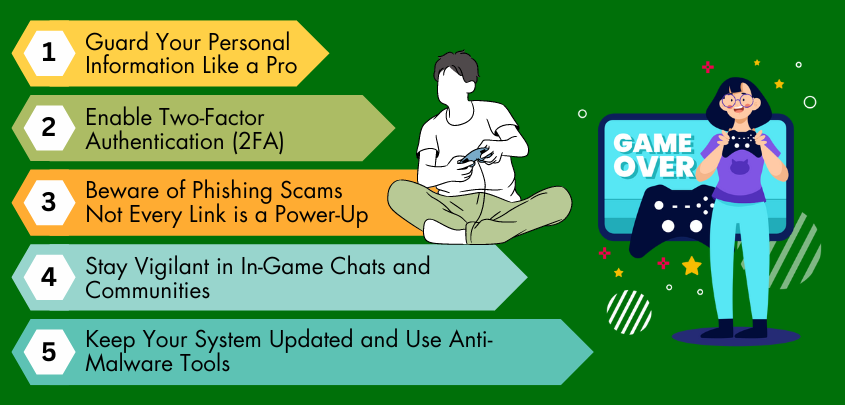
To protect your data privacy, consider implementing strategies like using strong passwords, enabling two-factor authentication, and regularly reviewing your privacy settings. Additionally, familiarize yourself with the platform's privacy policy to understand how your data is used and stored. Remember, while the thrill of online gaming can be exhilarating, safeguarding your personal information is equally important to ensure a secure and enjoyable gaming experience.
Counter-Strike is a highly popular multiplayer first-person shooter game that pits two teams against each other, the Terrorists and the Counter-Terrorists. Players work together strategically to complete objectives, such as defusing bombs or rescuing hostages. For those looking to expand their gaming experience, you can check out the cryptocasino.com promo code, which might offer exciting rewards. The game's blend of teamwork, skill, and strategy has made it a staple in the eSports community.
How Your Game Avatar Can Compromise Your Privacy Without You Knowing
Your game avatar is often seen as a digital extension of yourself, providing a unique way to express your identity in virtual worlds. However, many players are unaware that the seemingly harmless choices they make in customizing their avatars can lead to significant privacy issues. For instance, avatars can reveal personal preferences and behavior patterns through their appearance and interactions. Data collected from these interactions can be used by game developers and third parties for targeted marketing, profiling, or even sold on data marketplaces. This raises serious concerns about how much of your personal information is compromised simply by engaging in online gaming.
Furthermore, with the increasing popularity of virtual reality and online multiplayer platforms, your game avatar can serve as a gateway for more than just player interaction. Game developers often implement tracking technologies that monitor player behavior both inside and outside of the game environment. This can include your gaming habits, preferences, and even voice chat conversations, which may inadvertently expose personal information to malicious actors. To mitigate these risks, it's essential to review the privacy settings provided by your gaming platform and remain cautious about the information you share, as even the most innocuous avatar can be a vehicle for privacy violations.
Is Your Avatar Safe? A Deep Dive into Online Gaming Privacy Risks
In today's digital landscape, online gaming is more popular than ever, but with this popularity comes a myriad of privacy risks that gamers must navigate. As players create their unique avatars and immerse themselves in virtual worlds, they often overlook the potential dangers associated with sharing personal information. From data breaches to phishing scams, the risks can compromise not only your gaming experience but also your personal data. Understanding these threats is the first step in ensuring that your avatar and personal data remain safe while you enjoy your favorite games.
One of the most alarming issues is the widespread collection of user data by game developers and third-party advertisers. Many online games track your gaming behavior, preferences, and even your location, often without explicit consent. It's essential to regularly review the privacy settings of the games you play and opt out of unnecessary data sharing wherever possible. Additionally, use strong, unique passwords and enable two-factor authentication when available to further enhance the security of your gaming accounts. Remember, safeguarding your avatar is not just about protecting your in-game character; it's about protecting your entire online identity.