Understanding Loyalty Scoring Algorithms: How They Measure Customer Devotion
Loyalty scoring algorithms are sophisticated tools that help businesses measure and understand customer devotion. These algorithms analyze various factors, such as purchasing behavior, engagement levels, and feedback frequencies, to assign a score that reflects a customer's loyalty. By understanding how often a customer buys, the total amount they spend, and their interaction with the brand, these algorithms provide valuable insights into customer loyalty patterns. This analysis is not only crucial for retaining high-value customers but also for identifying segments of customers who may require additional engagement to enhance their loyalty.
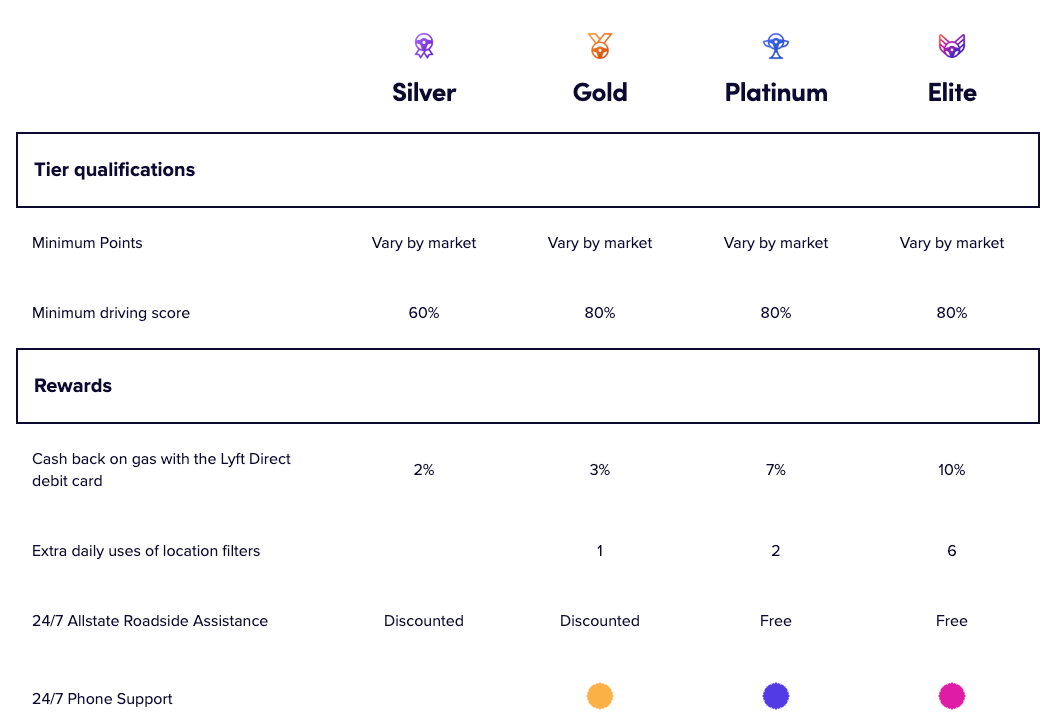
Typically, loyalty scoring algorithms employ a combination of data points, including transaction history, customer demographics, and interaction frequency. For instance, a customer who frequently interacts with a brand's social media channels or participates in loyalty programs may receive a higher score than one who only makes occasional purchases. To better visualize this process, businesses can leverage visual aids like charts and graphs to depict customer loyalty trends over time. Ultimately, understanding these algorithms allows businesses to create tailored marketing strategies that enhance customer retention and ultimately drive sales growth.
Counter-Strike is a highly popular first-person shooter game that originated in the late 1990s and has since evolved into a major eSport. Players can engage in intense matches, employing strategy and teamwork to dominate their opponents. For those looking to enhance their gameplay experience, using a duel promo code can provide valuable in-game benefits.
The Role of Data in Loyalty Scoring: What Every Business Needs to Know
In today's competitive market, loyalty scoring has become a fundamental strategy for businesses seeking to enhance customer retention. By leveraging data analytics, companies can develop a nuanced understanding of their customers' behaviors and preferences. This data-driven approach enables businesses to segment their customers effectively, providing tailored rewards and incentives that resonate with specific customer profiles. For instance, by analyzing purchasing history and engagement levels, brands can identify high-value customers and prioritize them in loyalty programs, ultimately driving higher engagement and loyalty.
Moreover, the use of data in loyalty scoring facilitates continuous improvement of marketing strategies. By collecting and analyzing customer feedback through surveys and social media interactions, businesses can gain valuable insights into how their loyalty programs are perceived. This allows them to adjust their offerings promptly, ensuring they align with customer expectations. In essence, harnessing the power of data not only aids in the development of effective loyalty strategies but also fosters a deeper connection between brands and their customers, creating a win-win situation.
How to Leverage Loyalty Scoring Algorithms for Enhanced Customer Retention
In today's competitive market, businesses need to adopt innovative strategies to improve customer retention rates. One effective method is to implement loyalty scoring algorithms, which analyze customer data to determine their likelihood of staying loyal to the brand. These algorithms consider various factors, including purchase frequency, average transaction value, and customer engagement metrics. By understanding these behaviors, companies can identify at-risk customers and tailor marketing efforts to enhance retention. For instance, a high-value customer showing a decrease in engagement may benefit from a personalized offer or a targeted email campaign.
Utilizing loyalty scoring algorithms not only helps in identifying loyal customers but also allows businesses to focus their resources on those who need extra attention. Organizations can create personalized retention strategies based on the insights gathered from loyalty scores. This could include implementing a tiered loyalty program, where customers receive rewards based on their loyalty score, or providing exclusive access to promotions for high-scoring customers. Ultimately, by leveraging these algorithms, companies can foster deeper relationships with their customers and significantly improve their long-term retention rates.