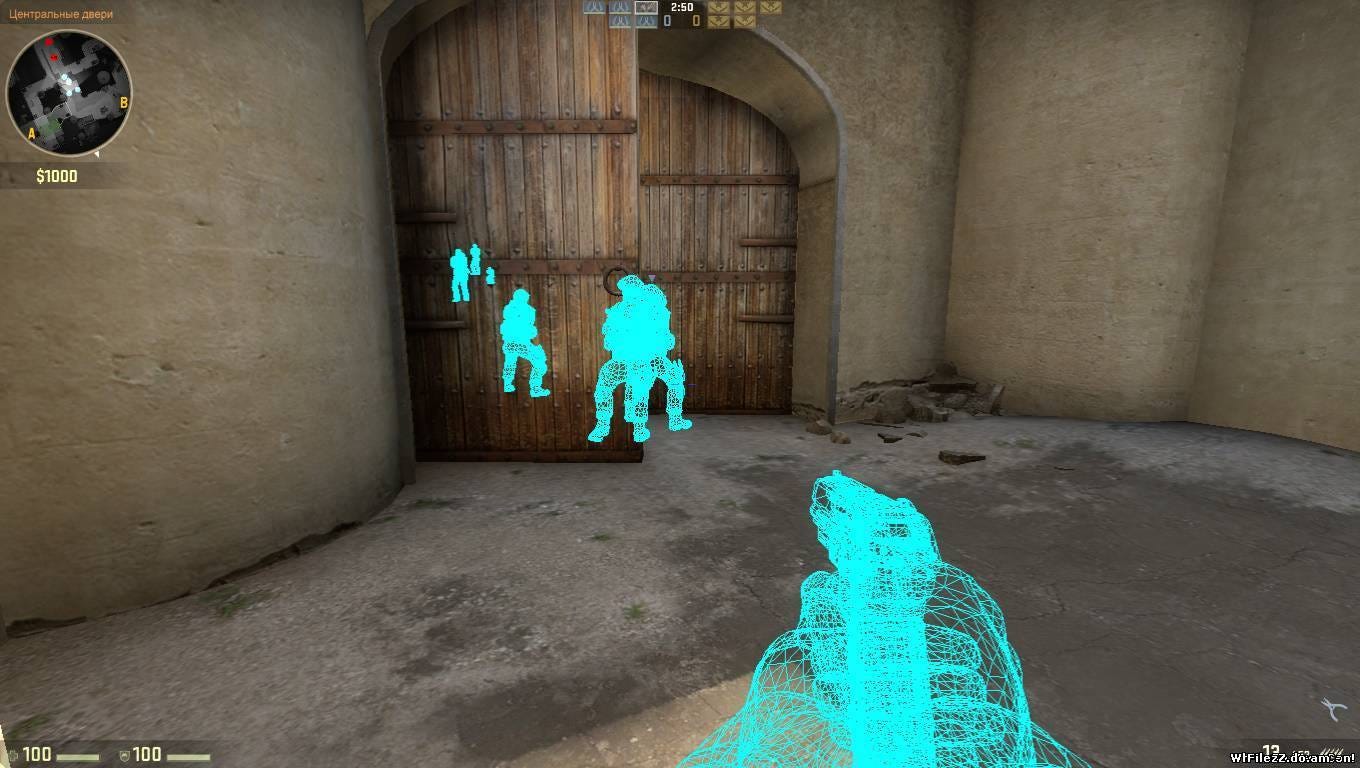
The Evolution of Anti-Cheat Algorithms in CSGO: A Deep Dive
The evolution of anti-cheat algorithms in CSGO has been a critical aspect of maintaining competitive integrity in the gaming community. Initially, the game relied on basic detection mechanisms that focused solely on identifying known cheats. However, as players became more sophisticated in their cheating methods, these early systems proved to be inadequate. Over the years, the developers at Valve have integrated more advanced technologies, such as machine learning and behavior-based detection algorithms, to monitor gameplay effectively. This shift has allowed the system not only to identify known cheats but also to adapt to new, emerging cheating methods.
One significant milestone in the development of anti-cheat technology in CSGO was the introduction of Valve Anti-Cheat (VAC) system, which continuously updates its database to include new cheating methods. Alongside this, the role of the community has grown immensely, with players reporting suspicious activities leading to fair play. With the rise of third-party applications, the anti-cheat landscape is constantly evolving and is now more user-focused, emphasizing transparency and user appeals. As we look to the future, the challenge remains to stay one step ahead of cheaters, ensuring that the competitive environment remains fun and fair for all players.
Counter-Strike is a popular multiplayer first-person shooter that has captivated gamers since its inception. The game features two opposing teams, terrorists and counter-terrorists, who compete in various objective-based modes. One common issue players may encounter is when VAC was unable to verify their game session, leading to frustration in competitive matches.
Understanding CSGO's Anti-Cheat System: How It Detects Cheaters
The Counter-Strike: Global Offensive (CSGO) anti-cheat system, known as VAC (Valve Anti-Cheat), is a critical component designed to maintain a fair gaming environment. It operates quietly in the background, constantly scanning for known cheats and unauthorized modifications to ensure that players can enjoy an authentic competitive experience. When VAC detects a cheat, it enforces a ban that binds to the player's account, preventing them from accessing VAC-secured servers. This proactive approach not only deters players from attempting to cheat but also reassures the community that integrity is upheld in matches.
In addition to VAC, CSGO employs several other methods to combat cheating, including the Overwatch system. This community-driven feature allows experienced players to review matches and report suspicious behavior.
- Players can submit reports for review.
- Investigations are carried out by a panel of community members.
- Bans can be executed if sufficient evidence of cheating is found.
What Happens When You Get Banned in CSGO? An Inside Look at the Anti-Cheat Process
When a player gets banned in CS:GO, the immediate implications can be quite severe, not only affecting access to the game but also possibly impacting their overall gaming reputation. The ban process is part of CS:GO's robust anti-cheat system, which aims to create a fair competitive environment. Players can face two main types of bans: Overwatch bans, which are issued after the community reviews suspicious behavior, and VAC bans (Valve Anti-Cheat), which are automatic and stem from the detection of cheating software. Understanding the ban types helps players navigate the world of CS:GO and respect the integrity of gameplay.
The anti-cheat process in CS:GO revolves around maintaining fair play for all participants. When detected cheating, the game’s algorithms kick into gear, gathering evidence and ultimately leading to player bans. Players may receive notifications regarding their bans, but those who encounter an unjust ban can appeal through specific channels. However, it’s important to note that the majority of bans are justified, as Valve continuously updates their detection methods to stay ahead of cheaters. Knowing the inner workings of the anti-cheat process can serve as both a warning and a lesson for all players to engage with integrity in their gameplay.