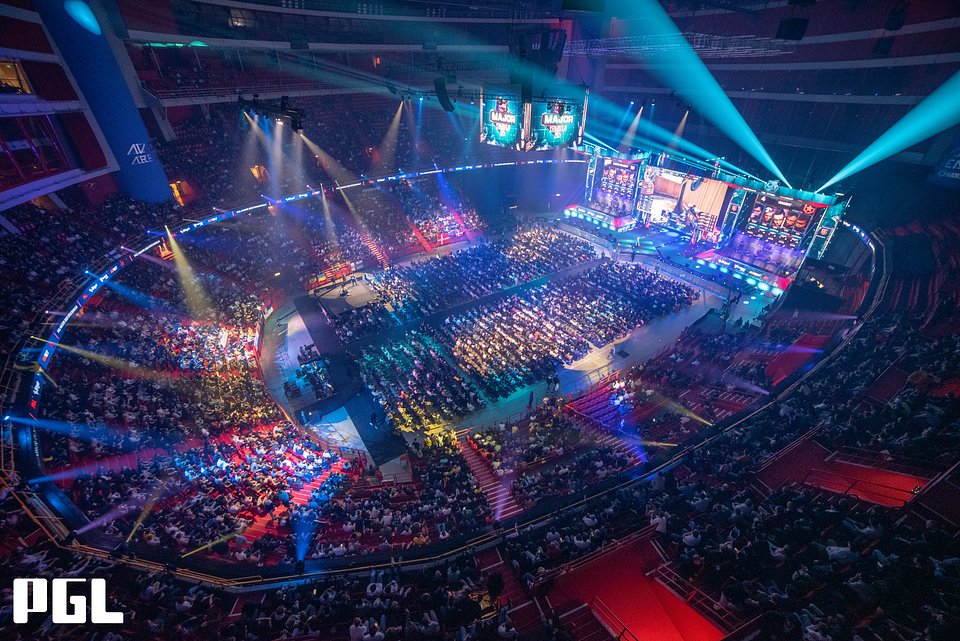
The Evolution of CSGO Major Championships: A Deep Dive into Competitive Gaming History
The evolution of CSGO Major Championships stands as a testament to the rapidly changing landscape of competitive gaming. Since its inception in 2013, the first Major held at DreamHack Winter brought together the best teams from around the globe, showcasing Counter-Strike: Global Offensive as a serious contender in the esports arena. Initially, the championship featured a simple format, but as the viewer base expanded, so did the complexity and scale of the event. Over the years, the introduction of features like crowdfunding through loot boxes and increased prize pools helped elevate the status of Majors, making them a pivotal moment in esports history.
The format of the CSGO Major Championships has also undergone significant changes, adapting to the needs of players and audiences alike. Early events primarily utilized a group stage followed by a single-elimination bracket, but the inclusion of a Swiss system has allowed for more matches and opportunities for teams to prove their mettle. As we look towards the future, the excitement surrounding the Majors continues to grow, with innovations in broadcasting technology and fan engagement paving the way for even more captivating tournaments. As we examine the evolution of these championships, it becomes clear that they not only define a game but also shape the culture of competitive gaming as a whole.
Counter-Strike is a popular tactical first-person shooter game that has captivated millions of players worldwide. One of the notable weapons in the game is the m249, which is favored for its high fire rate and devastating power.
Top Teams and Players: Who Dominated CSGO Majors and Why?
The CS:GO Majors have been a stage for some of the most memorable moments in esports history. Teams like Navi, FaZe Clan, and SK Telecom have not only claimed multiple championships but have also set benchmarks for skill, strategy, and teamwork. These teams have dominated due to their ability to adapt to ever-evolving game mechanics and their continuous investment in training and talent development. For instance, Navi’s success can be attributed to their exceptional aim and tactical prowess, which allows them to outperform opponents even under pressure.
In addition to the dominant teams, players such as S1mple, Coldzera, and device have become icons in the world of CS:GO. These players showcase extraordinary individual skills that often turn the tide of a match in critical moments. The blend of mechanical skill, game sense, and emotional resilience is what separates the top players from the rest. As we analyze the progression of the majors, it becomes clear that individual brilliance, combined with strong team dynamics, is key to understanding who has dominated the CS:GO Majors and why.
Behind the Scenes: How CSGO Major Championships are Organized and Run
The organization of a CSGO Major Championship is a complex and multifaceted process that requires collaboration among various stakeholders, including game developers, tournament organizers, and broadcasting teams. Initially, the planning stages involve determining the event's location and date, which are often influenced by factors such as venue availability, regional interest, and logistics. Once these details are finalized, the tournament organizers begin to set up partnerships with sponsors and vendors to ensure a smooth execution. This includes arrangements for broadcasting, ticket sales, and online streaming, which are crucial for maximizing audience reach and engagement.
As the event approaches, the focus shifts to logistics and player preparation. CSGO Major Championships typically involve several qualifying rounds where teams compete for a chance to enter the main event. This culminates in a grueling format that includes group stages, knockout rounds, and the grand finals. Each match is meticulously scheduled and broadcasted, with analysts and casters providing insights to enhance viewer experience. Behind the scenes, production crews work tirelessly to deliver high-quality visuals and commentary, ensuring that fans feel the intensity and excitement of each game. The combination of strategic planning and rigorous execution is what ultimately brings these prestigious tournaments to life.