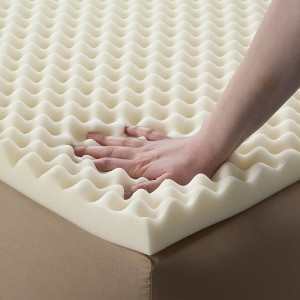
The Science Behind Memory Foam: Comfort or Confinement?
Memory foam, originally developed by NASA in the 1960s, has quickly become a household staple in mattresses and pillows due to its unique properties. Memory foam works by using a viscoelastic material that responds to heat and pressure, allowing it to mold to the shape of your body. This characteristic provides exceptional support and comfort, making it popular among individuals dealing with joint and back pain. However, while this special foam offers significant pressure relief, it can also lead to a sense of confinement for some users, as the material tends to hug the body closely.
There are notable benefits and drawbacks to consider when evaluating whether memory foam offers true comfort or creates a feeling of confinement. For instance, the material's ability to absorb motion makes it an ideal choice for couples, as movements from one side of the bed are less likely to disturb the other. However, the heat retention qualities of memory foam can result in an uncomfortably warm sleeping environment, leading some users to feel trapped rather than supported. Ultimately, personal preference plays a significant role in whether users experience the comfort of memory foam or the confinement it may inadvertently cause.
Counter-Strike is a highly popular tactical first-person shooter series that has captivated gamers since its inception. The game emphasizes teamwork, strategy, and precision, making it a staple in the esports community. Players can choose to fight as terrorists or counter-terrorists, each with unique objectives. For those interested in enhancing their gaming experience, it's crucial to have the right equipment, such as the Top 10 airpods pro ear tips for better audio clarity and comfort during gameplay.
Is Your Memory Foam Mattress Crippling Your Sleep Quality?
Many people turn to memory foam mattresses for their ability to provide comfort and support. However, these mattresses can sometimes hinder sleep quality rather than enhance it. One common issue with memory foam is its tendency to retain heat, which can lead to discomfort and frequent awakenings throughout the night. If you find yourself tossing and turning, it may be time to reconsider whether your memory foam mattress is helping or harming your ability to get restful sleep.
Additionally, the sinking sensation that memory foam provides can create a lack of proper spinal alignment for some sleepers. When the spine is not aligned correctly, it can lead to symptoms such as back pain and stiffness, making it difficult to enjoy a full night’s rest. If you notice that you wake up feeling sore or fatigued, it's worthwhile to evaluate your mattress choice. Investing in a different type of mattress that offers both comfort and support could be the key to improving your overall sleep quality.
Memory Foam vs. Traditional Mattresses: What You Need to Know Before You Switch
Memory foam mattresses have gained immense popularity over the years due to their unique ability to conform to the body's shape, offering personalized support and pressure relief. Unlike traditional mattresses, which are often made of innerspring coils and a simple foam layer, memory foam uses viscoelastic materials that respond to heat and pressure. This means that when you lie down on a memory foam mattress, the mattress adapts to your body, promoting better spinal alignment and reducing the risk of pain. However, it's crucial to consider factors such as heat retention and off-gassing, as some users find memory foam mattresses warmer than traditional options and may experience a chemical smell upon unboxing.
On the other hand, traditional mattresses have their own set of benefits that can appeal to several sleepers. Generally, they provide a more bouncy feel due to the coil support systems, which can be beneficial for those who prefer a firmer sleeping surface. Additionally, since traditional mattresses typically allow for better airflow, they can help maintain a cooler sleeping environment compared to memory foam. When deciding between these options, it's essential to assess your sleeping position, personal comfort preferences, and budget. In summary, whether you choose memory foam or a traditional mattress, each type offers distinct benefits that cater to different sleep needs and preferences.