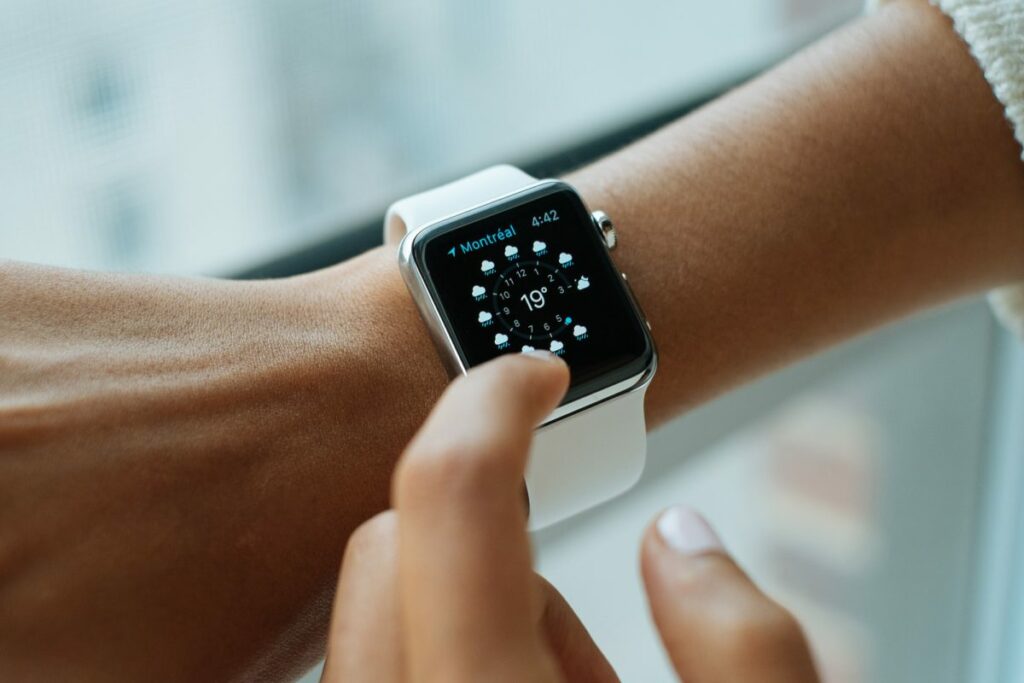
The Impact of Wearable Tech on Daily Life: Are We Becoming Too Dependent?
The rise of wearable tech has transformed our daily lives in profound ways. Devices such as smartwatches, fitness trackers, and health monitoring gadgets offer convenience and connectivity at our fingertips. For example, they allow us to track our physical activity, monitor our heart rates, and even receive notifications from our smartphones without having to take them out of our pockets. According to recent studies, approximately 30% of Americans now own a wearable device, indicating a significant shift in how we engage with technology. This surge in popularity raises important questions about the impact of such dependency on our mental and physical well-being.
However, as we become increasingly reliant on wearable tech for daily functions, concerns about our dependency are emerging. While the benefits are undeniable, including enhanced productivity and better health management, this reliance can also lead to negative consequences. For instance, over-reliance on these devices might diminish our innate ability to listen to our bodies or disconnect from the digital world. With constant access to health metrics and notifications, we may find it harder to engage in mindfulness and truly disconnect from the incessant buzz of technology. Balancing the advantages of wearable tech with mindful use is essential to ensuring that we do not lose touch with the physical world around us.
If you're looking to enhance your Apple Watch experience, there are plenty of accessories to consider. From stylish bands to protective cases, the Top 10 apple watch series accessories can elevate your smartwatch functionality and style. Ensure you choose accessories that fit your lifestyle for the best results!
Balancing Convenience and Privacy: What You Need to Know About Wearable Devices
In today's fast-paced digital world, wearable devices like smartwatches and fitness trackers have become synonymous with convenience. They offer a myriad of features, from tracking health metrics to receiving notifications on the go. However, alongside this convenience comes a pressing concern: privacy. With wearable devices constantly collecting data related to our daily activities, sleep patterns, and even locations, users must be vigilant about how this information is used and shared. It’s essential to understand the privacy policies of the devices you choose and to ensure that you are comfortable with the data being collected.
To strike a balance between convenience and privacy, consider the following tips when using wearable devices:
- Review Privacy Settings: Regularly check and adjust the privacy settings on your devices to limit data sharing.
- Understand Your Data: Familiarize yourself with what data is being collected and how it is utilized by the manufacturer.
- Use Secure Connections: Always connect your wearable to secure, trusted networks to protect against unauthorized data access.
By staying informed and proactive, you can enjoy the modern convenience of wearable technology without sacrificing your valuable privacy.
Are Wearable Gadgets Enhancing or Hindering Our Well-Being?
Wearable gadgets, ranging from fitness trackers to smartwatches, have become integral to our daily lives, often marketed as tools to enhance our overall well-being. These devices provide a constant stream of data about our health, including heart rate, sleep patterns, and daily activity levels. By offering insights into our physical state, they empower users to make informed lifestyle choices. For instance, a study conducted by the American Journal of Preventive Medicine revealed that individuals using fitness trackers increased their physical activity by an average of 27%. This suggests that, when used effectively, wearable technology can significantly enhance personal health.
However, there is a growing concern that these same gadgets can lead to a paradoxical effect, hindering our well-being instead. As people become fixated on tracking every move, they may experience heightened anxiety and stress related to their performance data. This phenomenon, often referred to as 'activity anxiety,' can detract from the very purpose of these devices. Moreover, excessive reliance on technology for health monitoring can diminish our ability to intuitively understand our body’s needs, leading to a disconnection from our own health. Balancing technology use with mindfulness practices may be key to ensuring that wearables truly serve as beneficial tools rather than sources of stress.