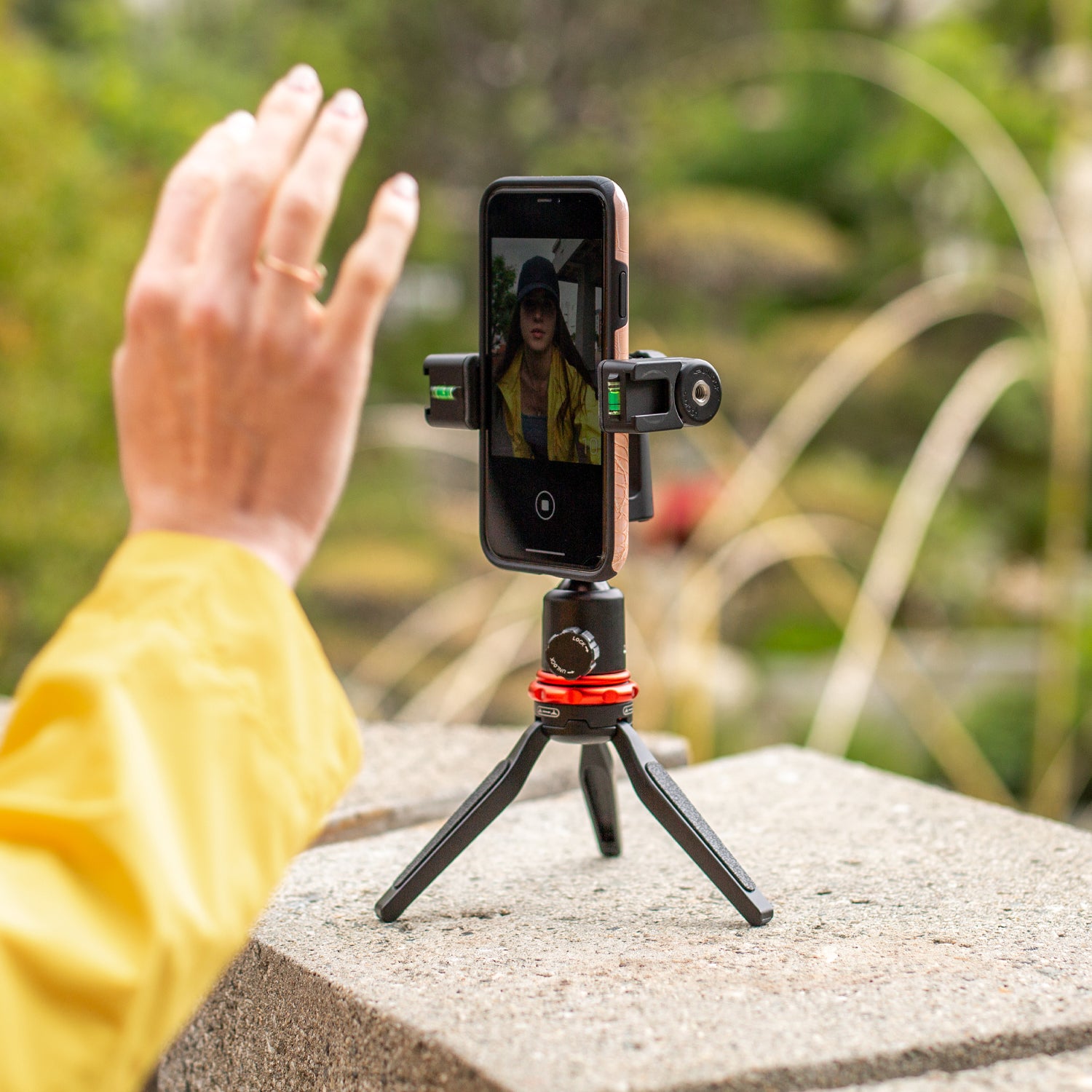
The Evolution of Tripods: From Simple Stands to Essential Photography Tools
The history of tripods dates back centuries, initially serving as simple stands for various purposes. In the early days, these stands were primarily made of wood and designed to support basic devices or instruments. As photography emerged in the 19th century, the need for stability became paramount, leading to the evolution of the tripod into a dedicated tool for photographers. Tripods transformed from rudimentary supports into essential gear, engineered to provide the stability required for capturing sharp images in varying conditions.
As technology advanced, so did the design and functionality of tripods. Modern tripods are built with lightweight yet durable materials like carbon fiber and aluminum, making them easy to transport without sacrificing stability. Additionally, features such as adjustable legs, quick-release plates, and tilt-and-pan heads have made tripods a versatile tool in any photographer's kit. Today, they are deemed indispensable not only for professional photographers but also for hobbyists seeking to enhance their skills and ensure consistent results.
Counter-Strike is a highly popular first-person shooter game that emphasizes teamwork and strategy. Players can choose to be part of the terrorist or counter-terrorist teams, engaging in various objective-based missions. For those looking to enhance their gaming experience, check out the Top 10 Vlog Kits for iPhone 17, which can improve content creation related to gaming.
10 Creative Ways Tripods Can Transform Your Photography Game
Using a tripod can vastly enhance your photographic experience, offering you the stability needed for sharp, crisp images. One of the primary benefits of a tripod is the ability to shoot in low-light conditions without introducing motion blur. This means you can capture stunning nightscapes or indoor shots with long exposure times, making your photos come alive in a way you can't achieve by hand-holding your camera. Additionally, utilizing a tripod allows for precise composition adjustments, enabling you to frame your shots exactly as you envision them, which is crucial for professional-quality photography.
Moreover, tripods are incredibly useful for achieving creative angles and perspectives. By elevating your camera or positioning it at unique heights, you can discover new viewpoints that differentiate your work from the standard shots. Many photographers use tripods for time-lapse and panoramic photography, as they allow for consistent framing and alignment across multiple images. With these versatile tools, you can truly transform your photography game and unlock a range of possibilities that will elevate your craft to new heights.
Are Tripods Really Necessary? Debunking Common Myths and Misconceptions
When it comes to photography, tripods are often seen as an essential piece of equipment, yet many newcomers question their necessity. One common myth is that tripods are only for professionals or those shooting in low light conditions. In reality, a tripod can enhance the quality of your images in various scenarios, whether you're capturing landscapes, portraits, or macro shots. By providing stability and eliminating camera shake, tripods enable you to use slower shutter speeds and achieve sharper details in your photographs.
Another misconception is that tripods are bulky and inconvenient, leading many to shy away from using them. However, modern tripods come in a myriad of sizes and designs to fit any photographer's needs, including lightweight and compact options that are easy to carry. Additionally, the use of a tripod can actually encourage creativity by allowing for more experimentation with composition and exposure settings. So, before dismissing the idea of incorporating a tripod into your gear, consider the advantages it can bring to your photography journey.