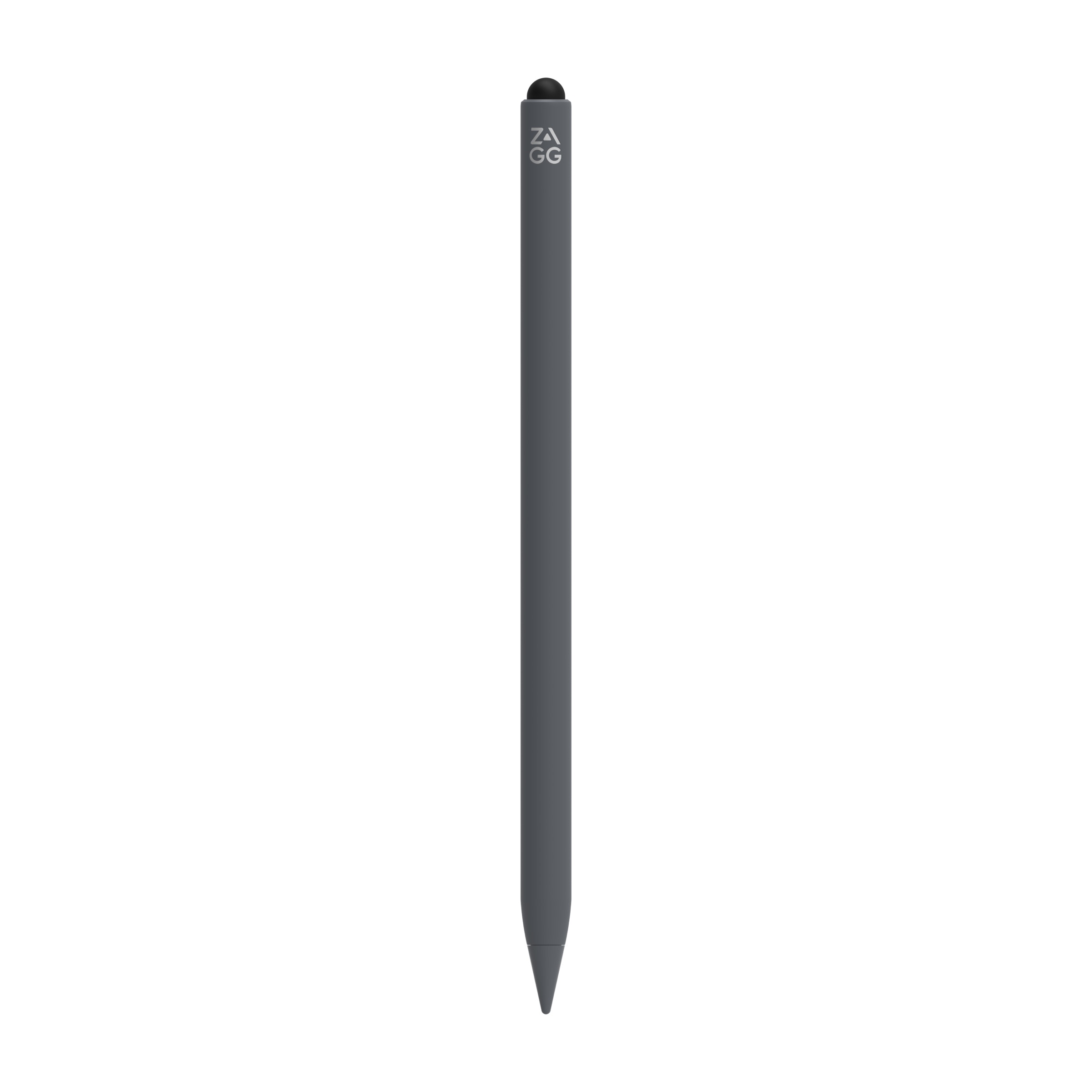
The Evolution of Digital Art: Pen vs. Pixel
The world of digital art has undergone a significant transformation over the past few decades, evolving from traditional methods to the realm of pixels. Once dominated by physical mediums like paint and canvas, artists have embraced **digital tools**, allowing for a more versatile and experimental approach to creativity. The debate between pen vs. pixel highlights this evolution, as artists weigh the emotional connection to their tools against the advantages presented by technology. For many, the act of creating art digitally offers immediate corrections and endless possibilities, challenging the long-standing practices of previous generations.
As we explore the **evolution of digital art**, it's crucial to recognize how both pen and pixel coexist in today's creative landscape. Digital tools have not only made art more accessible but have also fostered a new generation of artists who can seamlessly blend traditional techniques with modern technology. This convergence creates opportunities for innovation, as artists experiment with hybrid forms and new mediums. While the pen symbolizes traditional craftsmanship, the pixel represents limitless potential and the future of artistic expression, showcasing that both forms can inspire one another rather than existing in isolation.
Counter-Strike is a popular first-person shooter game that has garnered a massive following since its initial release in 1999. Players often engage in strategic team-based gameplay where they can choose to play as terrorists or counter-terrorists. To enhance their gaming experience, many players are interested in tech gadgets, including the Top 10 iPad Accessories for Meetings, which can also aid in preparation and coordination during tournaments.
Which Tool Reigns Supreme? Exploring the Pros and Cons of Styluses and Digital Brushes
In the digital art world, the debate over which tool reigns supreme—styluses or digital brushes—is an ongoing topic of discussion. Each tool offers distinct advantages that cater to different artistic styles and preferences. For instance, a stylus provides precision and control, making it an ideal choice for intricate details and line work. Many artists appreciate the natural feel of a stylus, which can mimic traditional drawing instruments and enhance the overall creation process. However, it is essential to consider the potential drawbacks, such as reliance on specific software and the initial investment in quality models.
On the other hand, digital brushes have gained popularity for their versatility and ability to replicate various textures and styles. They allow artists to experiment with a broader range of effects, from watercolors to oils, all within a single application. Yet, some may argue that the learning curve associated with mastering these brushes can be steep, especially for those transitioning from traditional methods. Ultimately, the choice between a stylus and digital brushes boils down to your personal workflow, artistic goals, and the specific project needs.
How to Choose the Right Stylus for Your Digital Art Journey
Choosing the right stylus for your digital art journey is crucial for unleashing your creativity. With the plethora of options available, consider the following factors to ensure you select the best tool for your needs:
- Compatibility: Ensure the stylus is compatible with your device, whether it's a tablet, smartphone, or touchscreen. Research models that work seamlessly with your preferred digital art applications.
- Tip Sensitivity: Look for a stylus with varying levels of pressure sensitivity, as this feature allows for more natural and precise lines, mimicking traditional art techniques.
Additionally, you may want to explore stylus features such as tilt support and customizable buttons.
These functionalities can enhance your workflow, making it easier to execute intricate designs and shortcuts.Finally, don't forget to consider the design and ergonomics of the stylus. A comfortable grip can make a significant difference during long art sessions.