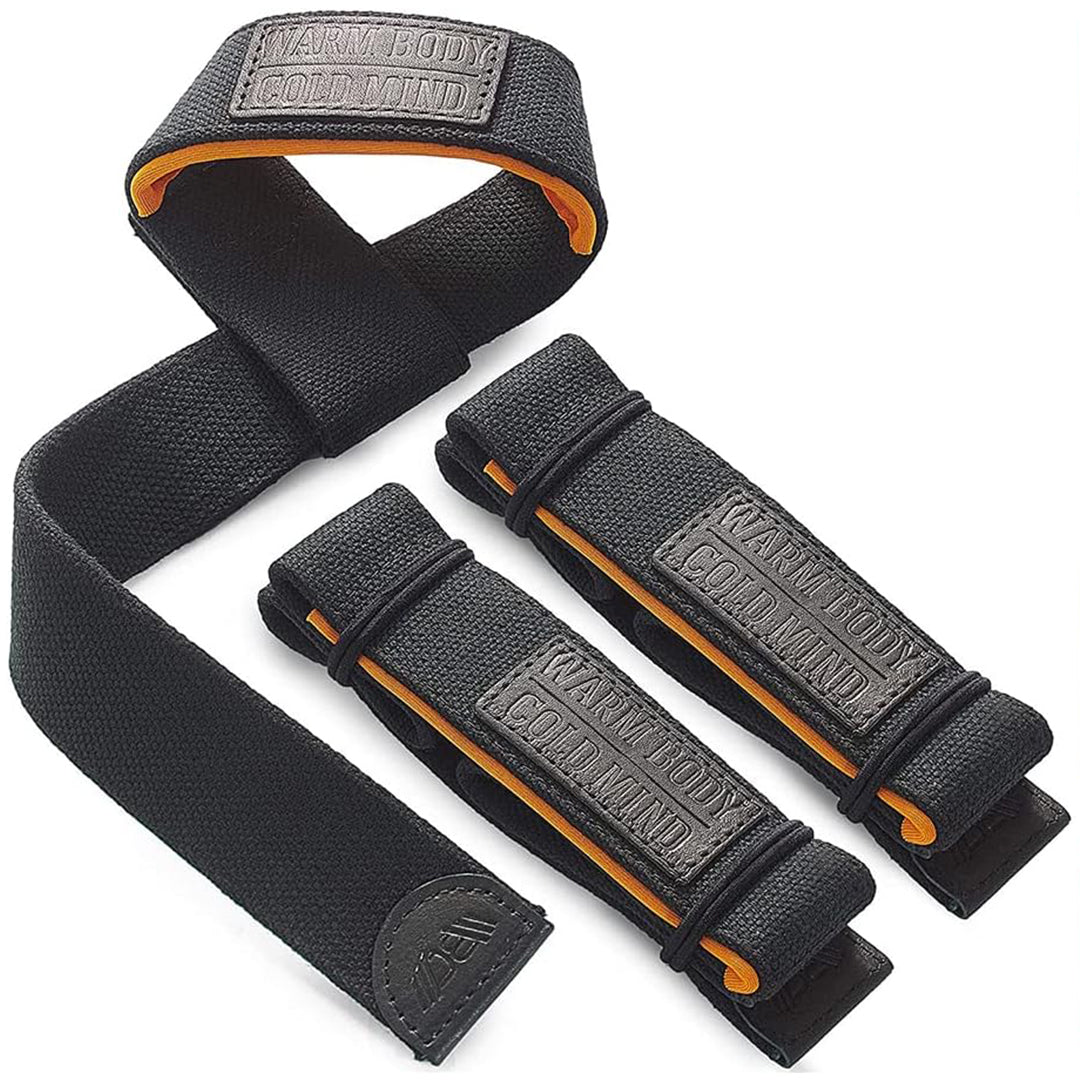
The Essential Guide to Choosing the Perfect Strap for Every Adventure
Choosing the right strap for your adventures can significantly enhance your experience, whether you're hiking through rugged trails or exploring urban landscapes. A good strap should not only provide comfort but also durability and versatility. Consider the material – nylon and polyester are popular choices for their strength and resistance to wear. Additionally, pay attention to the strap's width; wider straps tend to distribute weight more evenly, reducing discomfort on long journeys. Here are some factors to consider:
- Material: Opt for breathable and water-resistant options.
- Length: Ensure the strap is adjustable to suit different gear and personal preferences.
- Attachment System: Look for durable buckles and fittings that can withstand rigorous use.
When it comes to specific adventures, the type of strap you choose can make all the difference. For backpackers, a multifunctional strap that can also function as a compression system is ideal. If you're into sports like climbing or cycling, consider a strap with a quick-release mechanism for easy adjustments on the go. Don’t forget about aesthetics; many straps are available in vibrant colors and patterns, allowing you to express your personal style while ensuring functionality. Remember, the perfect strap is not only about performance but also about enhancing your overall adventure experience.
Counter-Strike is a popular tactical first-person shooter game that pits teams of terrorists against counter-terrorists in various scenarios. Players can choose different weapons and strategies to outsmart their opponents. Alongside the thrilling gameplay, many players enjoy using various accessories to enhance their gaming experience. For example, you can check out the Top 10 airpods accessories to find gear that might help improve your audio experience while playing.
How Straps Enhance Functionality: More Than Just a Fashion Statement
When it comes to accessories, straps often get overlooked as mere fashion statements. However, their functionality plays a crucial role in enhancing the overall usability of various items. For example, in the world of fashion, straps on handbags or backpacks not only contribute to the aesthetic appeal but also offer practical benefits by providing extra support and making it easier to carry heavy loads. In addition, straps can be adjusted to fit different body types, making them a versatile choice for consumers.
Beyond fashion, straps are integral in many industries, contributing to safety and efficiency. In sports, the importance of securely fastened straps is evident in equipment such as helmets and pads, where they are vital for protection during high-impact activities. Similarly, in technology, straps are essential for holding devices like smartwatches and fitness trackers in place, enhancing user experience by ensuring that devices are comfortable and accessible. These examples illustrate that straps serve a dual purpose, enhancing functionality while also making a style statement.
What You Need to Know: The Different Types of Straps and Their Uses
When it comes to straps, there are several different types designed for specific uses. Understanding these types can significantly enhance your choice, whether for fashion, function, or both. Some of the most common types include:
- Watch Straps: Ideal for securing watches, these straps come in materials such as leather, metal, rubber, and fabric.
- Belt Straps: Used to hold up trousers, these are typically made from leather or fabric and can be purely functional or serve a fashion statement.
- Camera Straps: Essential for photographers, these straps ensure the safety of your camera while providing comfort during extended use.
Each type of strap has its unique benefits and applications. For instance, watch straps can easily be interchanged to match outfits, while belt straps provide not just support, but also a way to express personal style. In addition, camera straps often include padding for comfort, supporting the weight of the camera during long shoots. Understanding the different types of straps helps not only in selecting the right one but also in optimizing their usefulness for your specific needs.