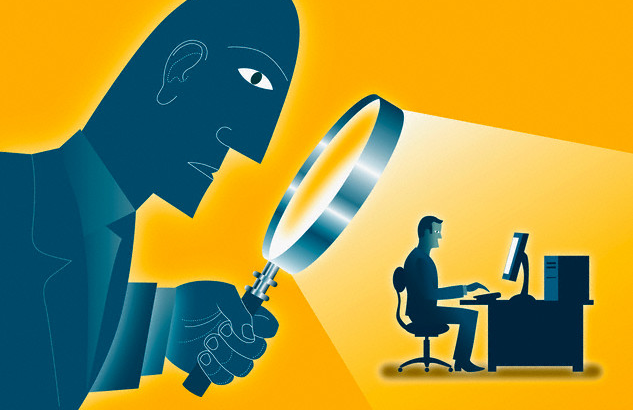
The Erosion of Personal Privacy: How Digital Platforms are Reshaping Our Lives
The erosion of personal privacy has become a pressing concern in our increasingly digital world. As we engage with various digital platforms, we unintentionally surrender vast amounts of personal information. This data, often collected through social media interactions, online shopping habits, and even simple web browsing, is a goldmine for corporations seeking to tailor marketing strategies and maximize engagement. The consequences of this trend are profound, as users find themselves subject to targeted advertisements and personalized content that can feel invasive. Furthermore, the depth of data collected raises ethical questions about consent and the ways in which our digital footprints can be manipulated.
In this age of information, the reshaping of our lives by digital platforms is undeniable. While technology offers unprecedented convenience and connectivity, it comes at the cost of our personal privacy. Consider the following aspects that illustrate this change:
- Surveillance capitalism: Major companies profit from user data, leading to a commodified experience.
- Data breaches: High-profile incidents reveal vulnerabilities, risking personal information.
- Social normalization: With constant sharing, privacy concerns become trivialized in our daily interactions.
Counter-Strike is a team-based first-person shooter that has gained immense popularity since its initial release in 1999. Players engage in strategic gameplay, taking on roles as either terrorists or counter-terrorists in various game modes. The game's competitive nature and emphasis on teamwork have made it a staple in the eSports community, leading to numerous tournaments and a dedicated fan base. For those interested in enhancing their coding experience, check out these Top 10 Accessories for Coding with MacBook that can help improve productivity.
Is Your Data Safe? Understanding Privacy Risks in the Digital Age
In today’s digital landscape, the question Is Your Data Safe? looms larger than ever. As we increasingly navigate online platforms—from social media to e-commerce—our personal information is continuously collected, processed, and stored. This raises significant privacy risks that users must understand to protect themselves. For instance, data breaches and identity theft have become commonplace, with hackers constantly developing sophisticated methods to access sensitive information. To mitigate these risks, it is crucial to regularly update your passwords, enable two-factor authentication, and be cautious about the information you share online.
Moreover, privacy regulations such as the General Data Protection Regulation (GDPR) and the California Consumer Privacy Act (CCPA) aim to enhance data protection, but their effectiveness can vary. Users must take proactive measures to safeguard their own data. This includes clearly reading privacy policies and understanding how companies use your information. To stay ahead of potential threats, consider using privacy-focused tools such as virtual private networks (VPNs) and browser extensions that block trackers. In conclusion, staying informed and vigilant is essential in addressing the crucial question: Is Your Data Safe?
Steps You Can Take to Protect Your Privacy Online
In today’s digital age, protecting your privacy online is more crucial than ever. Here are some essential steps you can take to safeguard your personal information:
- Use Strong Passwords: Create complex passwords for all your accounts, combining letters, numbers, and special characters. Consider using a password manager to keep track of them.
- Enable Two-Factor Authentication: Whenever possible, activate two-factor authentication (2FA) for an additional layer of security. This ensures that even if your password is compromised, your accounts remain secure.
- Be Cautious with Public Wi-Fi: Avoid accessing sensitive information over public Wi-Fi networks. Instead, use a Virtual Private Network (VPN) to encrypt your connection.
Additionally, be mindful of the information you share online. Adjust your privacy settings on social media platforms to control who can view your content. Regularly review your digital footprint and delete accounts or information that you no longer need. Remember, even harmless information can be pieced together to infringe on your privacy.
“Privacy is not an option, and it shouldn’t be the price we accept for just getting on the internet.” – Gary Kovacs