The Versatility of Nylon: How It Shaped Modern Fashion and Functionality
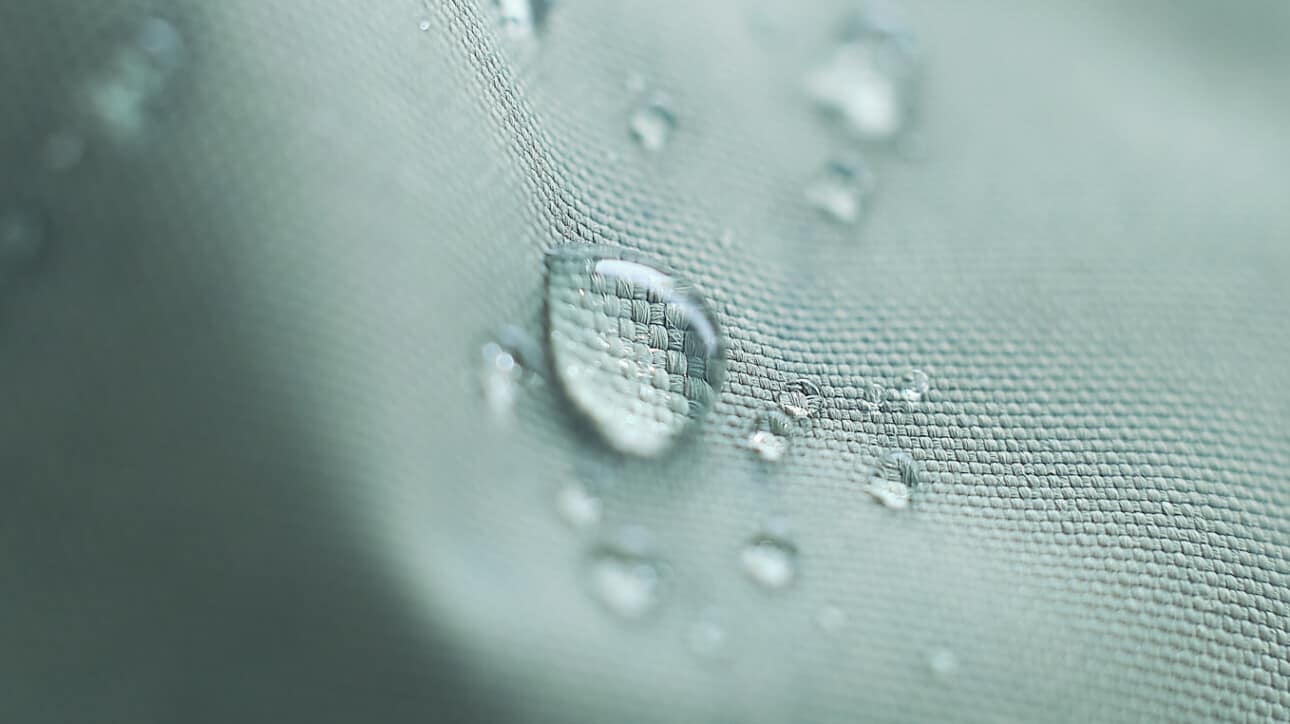
Nylon is a synthetic polymer that has significantly influenced both fashion and functional design since its introduction in the 1930s. Initially developed as a replacement for silk, it quickly gained popularity due to its durability, elasticity, and resistance to abrasion. As one of the first synthetic fibers, it paved the way for a new era in textiles, allowing designers to explore innovative styles and structures. Today, nylon is utilized in a variety of applications, ranging from everyday apparel to high-performance gear, showcasing its remarkable adaptability and enduring appeal.
One of the most notable aspects of nylon is its versatility in meeting diverse consumer needs. From fashionable clothing like jackets and swimwear to practical items such as backpacks and outdoor gear, its applications are vast. Additionally, nylon has become a staple in activewear due to its moisture-wicking properties and lightweight nature. These characteristics not only enhance comfort but also redefine functionality in modern fashion. As we see ongoing advancements in textile technology, the evolution of nylon continues to shape the future of fashion, making it a timeless choice for both style and utility.
Counter-Strike is a highly popular first-person shooter game that pits two teams against each other: the terrorists and the counter-terrorists. Players can engage in various game modes and strategies, including bomb defusal and hostage rescue. If you're also interested in gaming accessories for your smartwatch, check out the Top 10 Lightweight Apple Watch Bands to enhance your gaming experience during your breaks.
Nylon in Your Daily Life: Common Uses You Didn't Know About
Nylon is a versatile synthetic polymer that has become an integral part of our daily lives, often in ways we may not even recognize. Most people associate nylon with clothing, such as stockings and activewear, but it’s used in a variety of unexpected applications. For instance, nylon is commonly found in household items like toothbrush bristles, kitchen utensils, and even the flexible cords you see on many electronic devices. This resilience and adaptability make it a popular choice for manufacturers aiming to produce durable and lightweight products that stand the test of time.
In addition to household products, nylon plays a crucial role in various industrial applications. From automotive components like gears and bearings to aerospace parts, this material is prized for its strength and low friction properties. Moreover, nylon is increasingly utilized in the medical field, particularly for sutures and other surgical materials, due to its biocompatibility. This wide range of uses illustrates how nylon not only enhances everyday products but also contributes important functionality in critical industries.
The Environmental Impact of Nylon: Is This Synthetic Fiber Sustainable?
Nylon, a widely used synthetic fiber, presents a complex relationship with environmental sustainability. On one hand, its durability and strength make it a popular choice in various industries, but on the other hand, the production process of nylon is resource-intensive. According to studies, manufacturing nylon involves significant amounts of fossil fuels, resulting in high carbon emissions. Furthermore, nylon is not biodegradable, meaning that it can persist in landfills for hundreds of years. Understanding the environmental impact of nylon is crucial for consumers seeking sustainable alternatives in the textiles market.
In recent years, there has been a push toward developing more sustainable practices in the production of nylon. Innovations like recycled nylon and bio-based alternatives are emerging, which aim to reduce the ecological footprint associated with this synthetic fiber. For example, brands are now utilizing waste products, such as discarded fishing nets, to create new nylon items, thus promoting a circular economy. By opting for such sustainable practices, the textile industry can mitigate the negative environmental effects of nylon and pave the way for a more eco-friendly future.