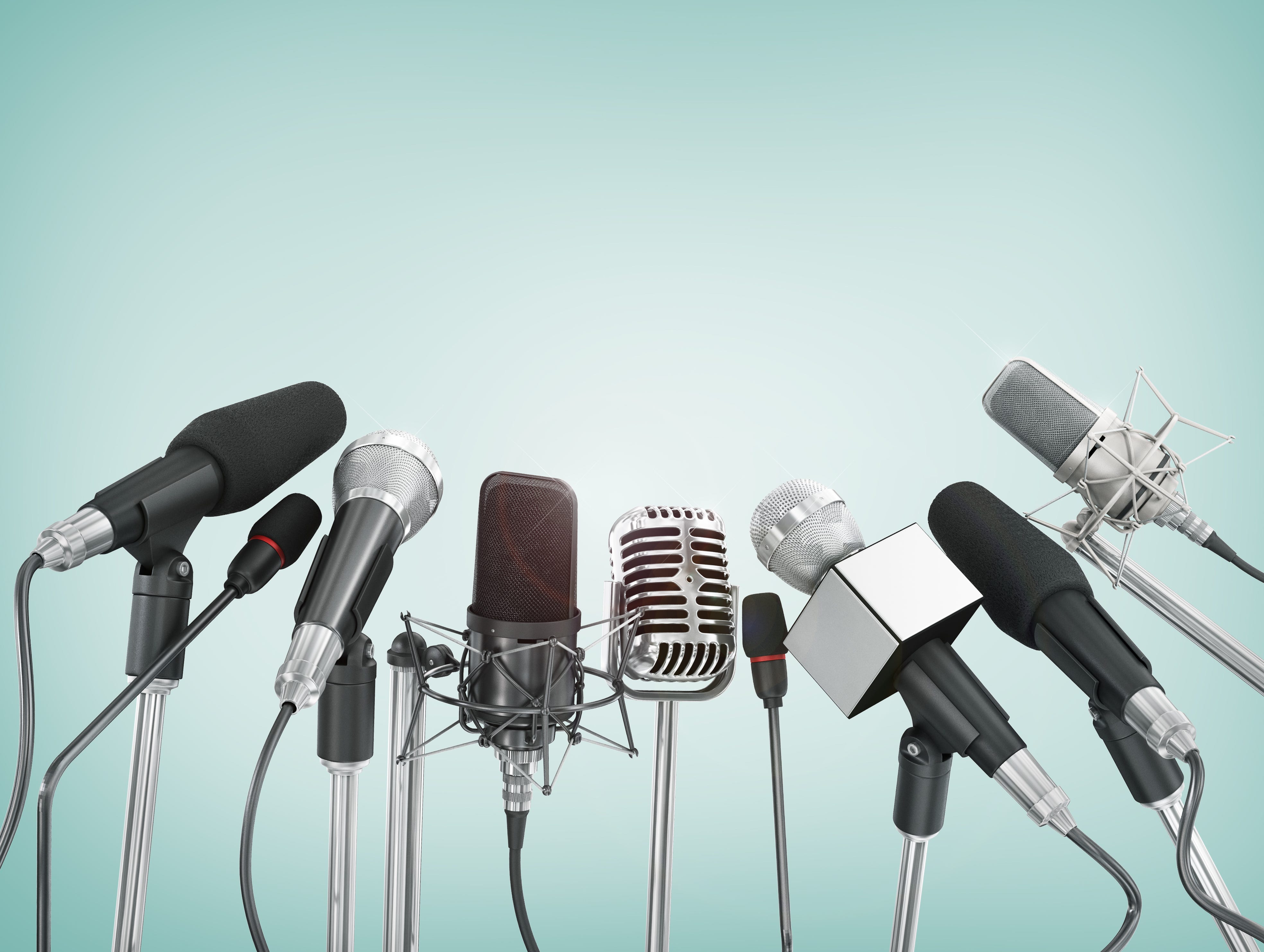
Choosing the Right Microphone: What You Need to Know
When it comes to choosing the right microphone, understanding the different types available is crucial. There are primarily three categories: dynamic, condenser, and ribbon microphones. Each type serves different purposes and environments. For instance, dynamic microphones are ideal for live performances due to their durability and resistance to feedback. In contrast, condenser microphones excel in studio settings, capturing a wider frequency range and providing greater detail in recordings. Evaluate your needs based on the context in which you'll be using the microphone.
Another important consideration is the microphone's pickup pattern. Common patterns include omnidirectional, unidirectional, and bidirectional. Omnidirectional microphones pick up sound from all directions, making them perfect for capturing ambient sounds or group discussions. Unidirectional microphones, on the other hand, focus on sound from one direction, which is ideal for interviews or solo performances. Lastly, bidirectional microphones capture sound from two opposing directions, offering a unique option for specific recording scenarios. By understanding these factors, you can make an informed decision when choosing the right microphone for your needs.
Counter-Strike is a popular first-person shooter video game series that emphasizes team-based tactics and competitive gameplay. It has a dedicated community and hosts numerous tournaments worldwide. Players often seek the best gear to enhance their vlogging experience, and you can find the Top 10 Mobile Vlogging Accessories to help elevate their content creation.
The Science Behind Microphone Technology: How It Captures Your Voice
The fascinating world of microphone technology is rooted in complex scientific principles that allow these devices to capture sound waves and convert them into electrical signals. At its core, a microphone functions by using a diaphragm, which vibrates when sound waves strike it. This vibration is then translated into an electrical signal through various mechanisms, such as dynamic, condenser, or ribbon technologies. Each of these methods employs unique materials and design philosophies, influencing the microphone's sensitivity, frequency response, and overall performance.
Understanding the science behind microphones also reveals how they can accurately capture the nuances of your voice. For instance, condenser microphones utilize a backplate and a diaphragm to create capacitance that varies with sound pressure, allowing for a more delicate capture of vocal tonalities. In contrast, dynamic microphones rely on electromagnetic induction, making them robust and ideal for high-volume situations. Whether you're recording a podcast, singing, or engaging in a video conference, knowing how microphones translate sound can help you choose the right one for your needs.
Do You Really Need a Microphone for Your Home Studio?
Determining whether you need a microphone for your home studio largely depends on the type of content you plan to create. If you're producing music, podcasts, or any form of vocal recordings, having a decent microphone is essential for capturing high-quality sound. While built-in microphones on devices can be sufficient for everyday tasks, they often lack the clarity and richness necessary for professional-quality audio. Investing in a good microphone can elevate your recordings, making them more polished and engaging for your audience.
On the other hand, if your focus is primarily on editing music, sound design, or creating visual content without vocal elements, you might not need a standalone microphone right away. However, it is worth considering your future needs; as your skills and projects evolve, having a quality mic could become more important. In summary, for vocal work, a microphone is invaluable, while for other tasks, it may or may not be necessary, depending on your specific requirements.