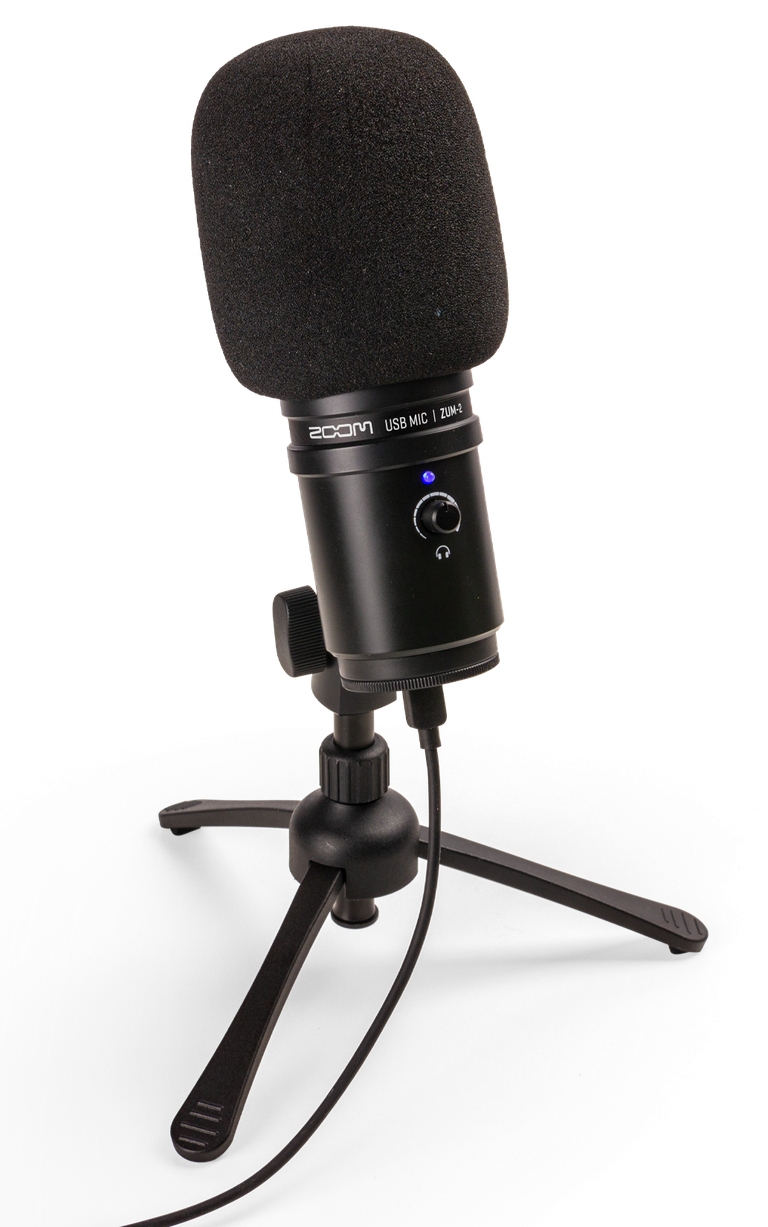
The Science Behind Captivating Voices: How to Optimize Your Microphone for Studio-Quality Sound
To achieve studio-quality sound, understanding the science behind captivating voices is crucial. The type of microphone you use plays a significant role in capturing clear audio. Begin by choosing a microphone that suits your recording style; condenser microphones are often preferred in studio settings for their sensitivity and ability to capture a wide frequency range. Additionally, positioning your microphone correctly can make a substantial difference in sound quality. Ideally, place it about six to twelve inches away from your mouth, angled slightly to avoid plosive sounds, which are the burst of air that accompanies certain consonants.
Once you've selected and positioned your microphone, it's essential to optimize its settings for the best results. Here are three key steps:
- Adjust input levels: Ensure that your recording device is set to an appropriate level to avoid distortion. Aim for a peak level around -6dB to -12dB.
- Utilize pop filters: A pop filter can help reduce plosives and sibilance, resulting in a smoother sound. This simple accessory is a game-changer for achieving clarity.
- Minimize background noise: Choose a quiet recording environment and use acoustic treatment if possible. Soft furnishings or dedicated soundproofing can significantly enhance the quality of your recordings.
Counter-Strike is a popular team-based first-person shooter game that focuses on strategic gameplay and cooperation between players. With its various game modes, players can experience intense matches where precision and teamwork are crucial. If you're looking to enhance your gaming experience, check out the Top 10 Earbuds for Meetings to find the perfect audio equipment to immerse yourself in the action.
Top 5 Microphone Techniques That Will Transform Your Voice and Elevate Your Content
When it comes to creating high-quality audio content, mastering microphone techniques is essential. The right approach can significantly enhance your voice and make your recordings more engaging. Here are the Top 5 Microphone Techniques that will help you achieve a professional sound:
- Pop Filters: Utilizing a pop filter can dramatically reduce plosive sounds (like 'p' and 'b') that may distort your audio. This simple accessory allows your voice to shine without unwanted distractions.
- Microphone Placement: Experiment with distance and angle to find the sweet spot for your voice. Being too close can result in booming bass, while too far may lead to a distant sound.
- Room Acoustics: Consider your recording environment. Soundproofing or using soft materials to absorb echoes can make a world of difference in the clarity of your recordings.
- Monitor Levels: Always keep an eye on your audio levels to avoid clipping and distortion. Aim for a balance where your voice is clear and full without overwhelming the input.
- Warm Up: Just like any musician, warming up your voice before recording can greatly improve your performance and consistency, allowing for a more dynamic delivery.
Common Mistakes to Avoid When Using a Microphone: How to Ensure Your Voice Shines
When using a microphone, many individuals often overlook the basics that can significantly affect the quality of their audio. One of the most common mistakes is holding the microphone too close to their mouth. This practice can result in undesirable sounds such as popping or distortion, particularly with plosive consonants like 'p' and 'b'. Instead, aim to keep the microphone roughly 6 to 12 inches away from your mouth to achieve a balanced sound. Additionally, ensure that you are aware of background noise in your recording environment. Background sounds can be picked up easily, distracting from your voice and reducing the overall clarity.
Another frequent error is neglecting to test the audio levels before speaking or recording. Failing to adjust the gain can lead to either too quiet audio, where listeners struggle to hear, or too loud audio, where sound clips and distorts. Always conduct a short test by speaking at your normal volume and adjusting the microphone levels accordingly. Lastly, don’t forget about your posture; speaking directly into the microphone while maintaining a relaxed yet upright position greatly enhances your vocal presence and projection, making your voice shine with confidence.