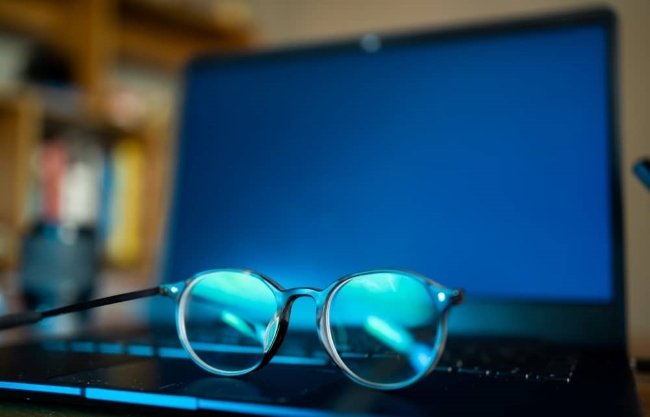
The Science Behind Blue Light: How It Disrupts Your Sleep Patterns
In today's digital age, blue light has become an omnipresent element of our daily lives, emanating from smartphones, tablets, computers, and even energy-efficient LED lights. This high-energy light can penetrate deep into the eye, influencing our circadian rhythms—the internal clock that regulates our sleep-wake cycles. Research suggests that exposure to blue light, particularly during the evening, can significantly disrupt sleep patterns by suppressing the production of melatonin, the hormone responsible for inducing sleep. As melatonin levels diminish, falling asleep becomes increasingly difficult, leading to sluggishness and fatigue the following day.
Furthermore, studies indicate that the wavelength of blue light is particularly effective in impacting our biological systems. According to a study published in the journal Health Effects of Exposure to Blue Light, even small amounts of exposure to blue light in the hours leading up to bedtime can trick our brains into believing it is still daytime. To mitigate these negative effects, experts recommend several strategies: limiting screen time before bed, utilizing blue light filters on devices, or even investing in specialized glasses designed to block blue light. By adopting these practices, individuals can help restore their sleep patterns and promote better overall health.
Counter-Strike is a highly popular tactical first-person shooter game that has captivated gamers since its inception. Players engage in intense team-based combat, where they can choose to be part of either the terrorist or counter-terrorist factions. In addition to the thrilling gameplay, there are various accessories that can enhance your overall experience, such as the Top 10 iPad Accessories for Reading that ensure you stay informed about strategies and updates while on the go.
Top 5 Benefits of Using a Blue Light Filter for Better Sleep
In today's digital age, exposure to screens is virtually unavoidable, especially before bedtime. One of the primary benefits of using a blue light filter is its ability to reduce the negative effects of blue light emitted by devices like smartphones, tablets, and computers. Studies have shown that blue light can disrupt our circadian rhythm, which is crucial for a good night's sleep. By filtering out blue light in the evening, you encourage your body to produce melatonin, the hormone responsible for regulating sleep, ultimately leading to more restful and rejuvenating nights.
Another significant benefit of using a blue light filter is the reduction of eye strain. Prolonged exposure to screens can cause discomfort and fatigue in the eyes, often referred to as digital eye strain. By utilizing a blue light filter, you can diminish the harshness of screen glare and make reading or browsing more comfortable, especially in low-light conditions. This simple adjustment can lead to a more relaxed viewing experience, allowing you to unwind before bed without the harsh impact of bright screens.
Is Blue Light Keeping You Up? Discover the Signs and Solutions
Are you finding it difficult to fall asleep or stay asleep at night? You might be a victim of excessive blue light exposure. Blue light, emitted by screens on smartphones, computers, and televisions, can disrupt your natural sleep cycle by inhibiting the production of melatonin, the hormone responsible for sleep. Recognizing the signs of blue light's impact on your sleep is crucial. Common symptoms include (1) difficulty falling asleep, (2) waking up frequently during the night, and (3) feeling groggy upon waking. If you relate to these signs, it may be time to explore solutions.
To combat the effects of blue light and improve your sleep quality, consider implementing several effective strategies. Start by reducing screen time in the evening, particularly in the hour leading up to bedtime. Use blue light filters or apps on your devices to minimize exposure. Additionally, think about creating a bedtime routine that encourages relaxation—reading a book or practicing mindfulness can be beneficial. Investing in blue light-blocking glasses can also help if you need to use screens at night. By being proactive, you can reclaim your sleep and boost your overall well-being.