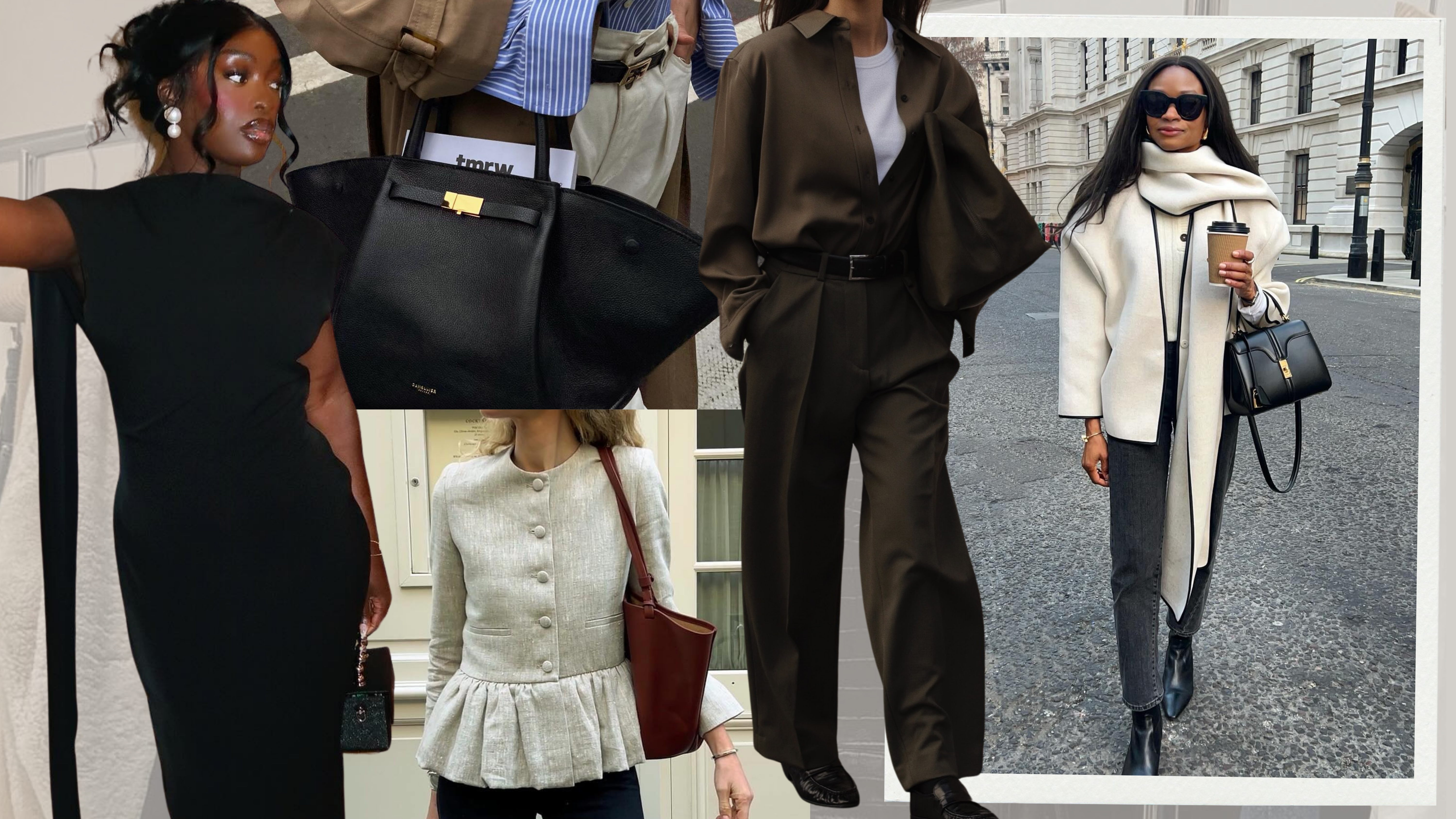
10 Sustainable Materials You Need to Know for Your Wardrobe
As sustainable fashion continues to gain momentum, it's essential to be aware of the materials that can make your wardrobe eco-friendly. Here are 10 sustainable materials you need to know about:
- Tencel: This material, derived from sustainable wood sources, is biodegradable and produced with a closed-loop manufacturing process, reducing waste.
- Organic Cotton: Grown without harmful pesticides or fertilizers, organic cotton is a healthier choice for both consumers and the environment.
- Bamboo: Fast-growing and requiring minimal resources, bamboo is a versatile material used in clothing and accessories.
- Hemp: Known for its durability and low environmental impact, hemp is making a comeback in the fashion industry.
- Recycled Polyester: Made from recycled plastic bottles, this material helps reduce plastic waste while offering the benefits of traditional polyester.
- Lyocell: Similar to Tencel, Lyocell is made from wood pulp and offers a silky texture while being environmentally friendly.
- Cork Fabric: Harvested from the bark of cork oak trees, this renewable resource is water-resistant and adds unique textures to garments.
- Piñatex: An innovative alternative to leather, Piñatex is made from pineapple leaf fibers and is both sustainable and durable.
- Organic Linen: Made from flax plants, organic linen is biodegradable and requires less water than conventional cotton.
- Reclaimed Materials: Using leftover fabrics and materials not only reduces waste but also adds a unique touch to your wardrobe.
By incorporating these sustainable materials into your wardrobe, you are making a conscious effort to minimize your fashion footprint. Each fabric listed above not only offers unique benefits but also plays a vital role in promoting a more sustainable and eco-friendly fashion industry. Transitioning to these materials will enrich your style while supporting ethical practices in the fashion world. Embrace sustainable fashion today and make choices that matter!
Counter-Strike is a highly competitive first-person shooter game that has been a staple in the gaming community since its initial release in 1999. Players form two opposing teams, terrorists and counter-terrorists, to achieve objectives such as bomb defusal or hostage rescue. The game's strategic depth and team-based gameplay make it a favorite for both casual gamers and eSports professionals. If you're looking for accessories to enhance your gaming experience, check out Top 10 MagSafe Wallets with Finger Loops for some cool gear!
How to Build a Capsule Wardrobe That’s Eco-Friendly and Fashion-Forward
Building a capsule wardrobe that is both eco-friendly and fashion-forward begins with a mindful approach to clothing selection. Start by assessing your current wardrobe and identifying versatile pieces that you already own. Aim for a balance of essential basics and statement items that can be mixed and matched. For instance, include classic staples like a white button-up shirt, tailored jeans, and a little black dress, which can serve as the foundation of your capsule. Consider the environmental impact of your clothing choices by prioritizing brands that prioritize sustainable materials and ethical production methods.
Once you've selected your initial pieces, it’s time to focus on sustainable practices to enhance your capsule wardrobe. Incorporate eco-friendly accessories, such as bags made from recycled materials and shoes from sustainable sources. Additionally, employ the practice of upcycling by transforming older garments into trendy outfits. Use a visual planner or a dedicated app to experiment with different combinations and maximize your style options. By curating a capsule wardrobe that embraces sustainability while remaining chic, you'll not only reduce your fashion footprint but also showcase your unique style.
Is Fast Fashion Really Dead? Exploring the Future of Sustainable Style
The debate surrounding fast fashion and its sustainability has gained significant traction in recent years. As consumers become increasingly aware of the environmental impact of their shopping habits, many are questioning the longevity of the fast fashion model. Major brands are under pressure to adopt more environmentally friendly practices, leading to conversations about ethical production standards and reduced waste. While some may argue that fast fashion is far from dead, a shift towards sustainable style is clearly underway.
With the rise of sustainable fashion brands and second-hand shopping, the landscape of the fashion industry is evolving. Innovations like eco-friendly materials, transparent supply chains, and clothing rental services are gaining popularity as alternatives to traditional fast fashion. According to recent studies, consumers are now prioritizing sustainability, which suggests that the future of fashion may not lie in rapid turnover but rather in curated, timeless pieces that promote longevity and reduce environmental impact.