The Future of Charging: Understanding Power Delivery Technology
The evolution of charging technology is paving the way for a seamless and efficient energy transfer experience, and one of the key innovations driving this transformation is Power Delivery Technology. Unlike traditional charging methods, Power Delivery (PD) utilizes a more sophisticated approach that allows devices to communicate their power needs dynamically. This means that a smartphone, tablet, or laptop can negotiate the optimal charging speed and power requirements with the charger, leading to faster and more efficient charging times. As we move towards a future where our devices require more power, understanding how Power Delivery Technology works will be crucial for consumers looking to navigate their charging options effectively.
In addition to enhancing charging speeds, Power Delivery Technology supports a variety of devices and promotes interoperability across different manufacturers. This versatility is achieved through the use of USB-C connectors, which have become the universal standard for charging. With the implementation of PD technologies, users can now charge not only their smartphones but also laptops and other peripherals using a single charger. As this technology continues to develop, we can expect to see even more advancements, such as increased energy efficiency and the integration of smart technologies that further enhance the charging experience.
Counter-Strike is a highly popular first-person shooter game that pits teams of terrorists against counter-terrorists in intense, strategic gameplay. Players engage in various game modes, working together to accomplish objectives or eliminate the opposing team. For gamers on the go, having the right equipment is essential; check out the Top 10 Travel USB C Hubs to enhance your gaming setup.
How Power Delivery Works: Your Ultimate Guide to Fast Charging
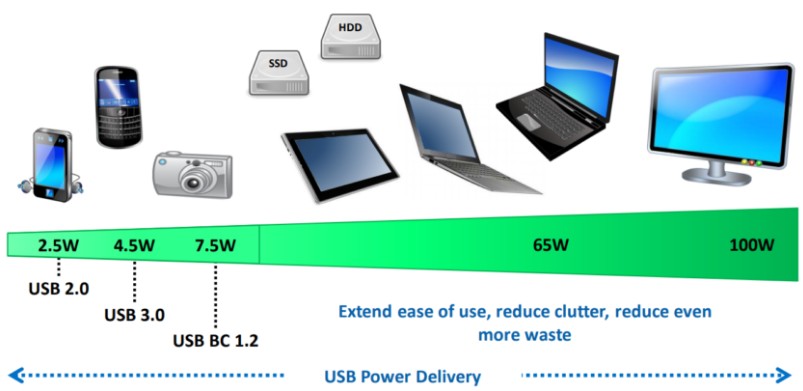
Power Delivery (PD) is a universal charging standard that allows devices to communicate their power needs, enabling faster and safer charging. This technology uses a USB Type-C connector, allowing for higher power transfer—up to 100 watts—compared to traditional charging methods. When a device is connected, its Power Delivery capability informs the power source how much wattage it can safely accept, adjusting the voltage and current accordingly. For example, a smartphone might require only 18 watts while a laptop may require up to 60 watts, making it essential for modern charging solutions.
One of the key advantages of Power Delivery is its ability to charge multiple devices efficiently. This can be achieved through features like power role swapping and fast charging. For instance, when a smartphone is connected alongside a tablet, thePD technology can distribute the available power based on priority or remaining battery levels. This ensures that each device receives the optimal amount of power without overheating, maximizing performance and battery lifespan.
Is Power Delivery Right for Your Devices? Key Benefits and Considerations
As technology progresses, the demand for efficient charging solutions is greater than ever. Power Delivery (PD) provides a smart and dynamic way to charge a wide range of devices, including smartphones, tablets, and laptops. With its ability to deliver up to 100 watts of power, PD not only ensures faster charging times but also promotes compatibility across various devices. This universal standard eliminates the need for multiple chargers, allowing users to conveniently charge all their devices with a single cable. However, potential users should consider their specific device requirements and charging habits before adopting this technology.
There are significant benefits to using Power Delivery, such as improved power efficiency and reduced charging time. For instance, a PD-enabled laptop can receive a full charge in a fraction of the time compared to traditional methods. Additionally, the smart negotiation feature of PD ensures optimal power delivery, which can prolong the lifespan of your device’s battery. Nevertheless, it’s crucial to evaluate considerations like the compatibility of existing devices, potential upgrades needed, and any investment in new accessories. Overall, weighing these factors will help you determine if Power Delivery is the right choice for your tech ecosystem.