The Science Behind Flexible Cables: How Material Design Enhances Versatility
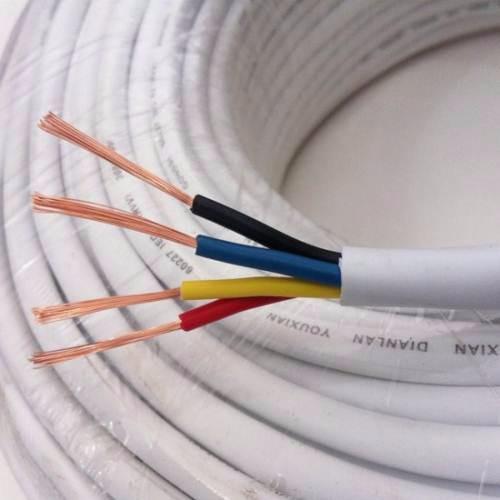
The evolution of flexible cables has been significantly influenced by advancements in material science. Traditional cables often suffered from rigidity, which limited their application in various environments. However, the development of new materials, such as thermoplastic elastomers and polyvinyl chloride (PVC), has enabled manufacturers to design cables that maintain excellent electrical properties while enhancing flexibility. This adaptability allows flexible cables to bend and twist without compromising performance, making them ideal for applications in robotics, automotive systems, and consumer electronics.
Additionally, the engineering behind flexible cable design incorporates innovation in insulation and conductor construction. Multi-stranded conductors, for example, provide greater flexibility compared to their solid counterparts, allowing for easier installation and less risk of breaking under stress. Coupled with advanced insulation materials that resist abrasion and harsh environmental conditions, these cables can sustain longer lifespans and better performance in challenging settings. As industries continue to embrace the versatility of flexible cables, understanding the science behind their material design becomes crucial for optimizing performance and functionality.
If you're looking to enhance your typing experience, coiled keyboard cables are a great option. They not only offer flexibility and durability but also add a unique aesthetic to your setup. Check out our Top 10 Coiled Keyboard Cables to find the perfect one that suits your style and needs.
Top 5 Applications of Flexible Cables in Modern Technology
In the landscape of modern technology, flexible cables have emerged as essential components across various applications. Their ability to bend and twist without compromising performance makes them ideal for use in mobile devices, wearables, and medical equipment. For instance, smartphones rely on flexible cables to connect their internal components while allowing for compact and lightweight designs. This flexibility not only enhances the durability of devices but also contributes to their sleek aesthetics.
Moreover, flexible cables play a crucial role in the automotive industry, where they are used in advanced driver assistance systems (ADAS) and electric vehicles. These cables enable seamless connectivity between sensors and control units, improving vehicle safety and efficiency. In addition, flexible cables are extensively utilized in industrial automation, where they facilitate the movement of robotics and machinery in constrained environments. The versatility of flexible cables is truly remarkable, making them integral to the advancements of modern technology.
Flexible Cables vs. Rigid Cables: Which One is Right for Your Project?
When it comes to choosing between flexible cables and rigid cables, understanding their distinct characteristics is crucial for your project. Flexible cables are designed to withstand bending and twisting, making them ideal for applications where movement is frequent, such as robotic systems or mobile devices. Their adaptability allows for easier routing in tight spaces, particularly in environments that require continuous motion. On the other hand, rigid cables are typically utilized in static installations, providing excellent structural integrity and robustness for applications like electrical installations in buildings or industrial machinery. Choosing the right type depends on your project needs and environment.
To summarize your options, here are some key considerations for each type:
- Flexible Cables: Best for dynamic applications, resist fatigue, easy to install in limited spaces.
- Rigid Cables: Ideal for fixed installations, provide stability and robustness.
Ultimately, selecting the right cable type can impact both performance and longevity. Assessing the specific demands of your project will guide you to the appropriate choice between flexible cables and rigid cables.